
In March, Argentina experienced a greater-than-anticipated increase in inflation, driven by a significant rise in fuel prices due to the Iran conflict and a notable surge in education expenses resulting from annual tuition adjustments. Consumer prices increased by 3.4 percent last month relative to February, surpassing the three percent median forecast of economists. Inflation has experienced a modest decline, decreasing to 32.6 percent from 33.1 percent compared to the previous year, as reported on Tuesday.
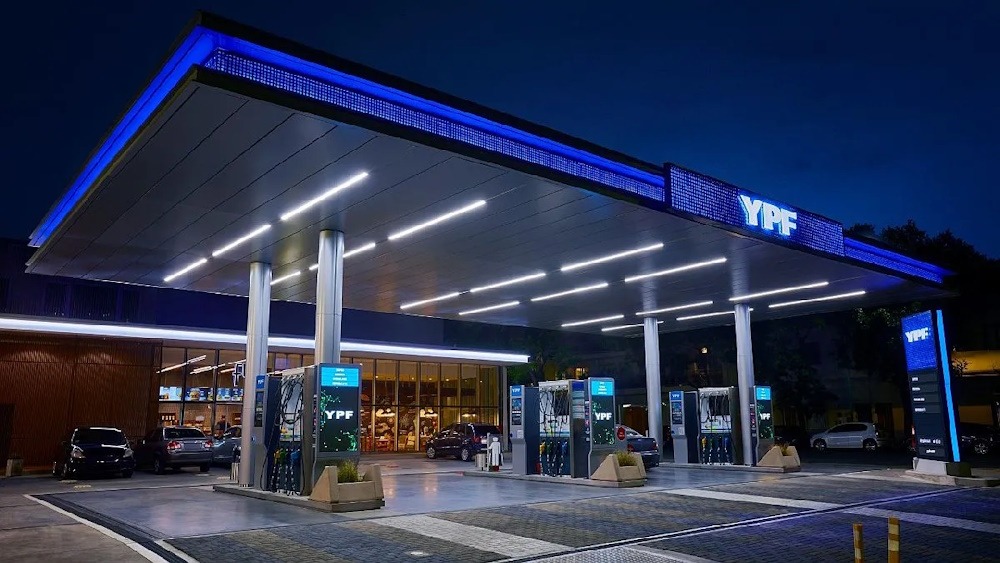
Economy Minister Luis Caputo cautioned earlier Tuesday that inflation had likely exceeded three percent during a panel interview. The government report indicates that education prices experienced the highest monthly increase at 12.1 percent, with transport following at 4.1 percent. The index experienced a notable increase of 6.9 percent in the Greater Buenos Aires area, with food and beverages contributing significantly to this rise. Since the onset of the conflict in the Middle East at the conclusion of February, local fuel prices have surged approximately 23 percent, as reported. Despite the pledge from state-owned YPF SA CEO Horacio Marín to maintain price stability through mid-May, this represents a significant indication from the company that holds a dominant position in the motor fuels market, controlling just over half of it.
Concurrently, the Economy Ministry has put a hold on the planned increase in fuel taxes for April. Milei has faced challenges in his efforts to control monthly inflation, which reached a seven-year low of 1.5 percent last May, a significant decrease from the peak of 25.5 percent observed when the libertarian assumed office in December 2023. During the panel interview, Caputo linked the ongoing elevated consumer price index to the volatility associated with last October’s midterm election. The anticipation of a potential adverse scenario for the government has led to a heightened demand for US dollars, subsequently contributing to inflationary pressures. He indicated that the trend is expected to start reversing this month.
“I think that beginning in April we will see an important deceleration in inflation,” Caputo stated. “We will undoubtedly observe a disinflationary trend accompanied by enhanced growth.” Economists surveyed by the Central Bank in March projected a year-end inflation rate of 29.1 percent for 2026, an increase of three percentage points from the February survey, while anticipating a growth rate of 3.3 percent for 2026, adjusted down by 10 basis points.
