
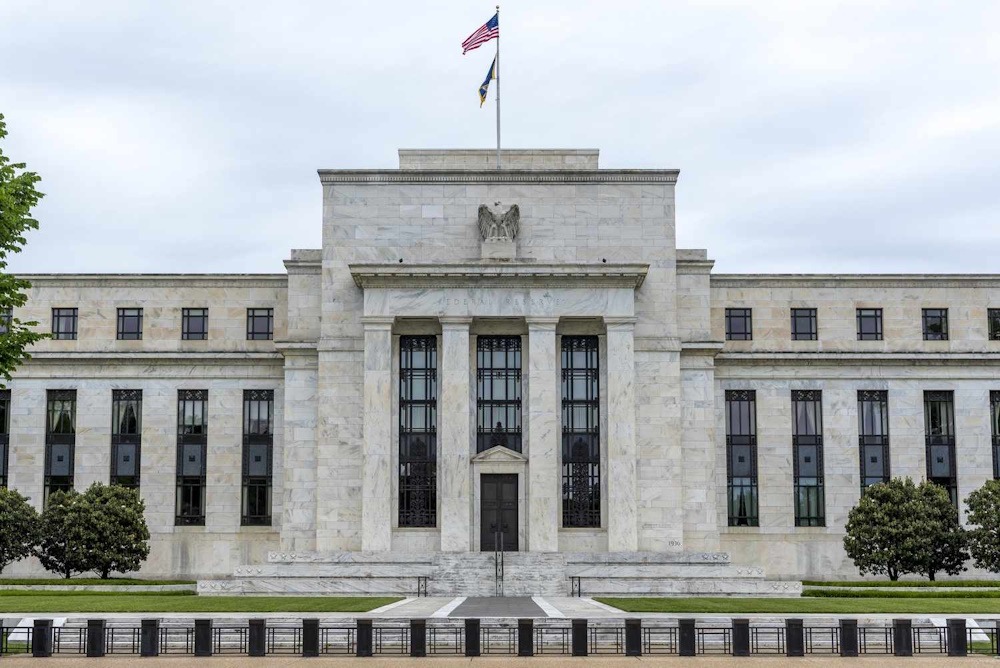
As Javier Milei’s administration endeavours to maintain its fiscal surplus and bolster Central Bank reserves to enhance its position in international debt markets, a new challenge has arisen from abroad in recent days: the United States itself. The speech delivered by Federal Reserve Chair Kevin Warsh on Friday at the Jackson Hole conference caused markets to reverse course. It reinstated a rate hike – the first since 2023 – as the most probable outcome of the Fed’s upcoming meeting, set for 15 and 16 September at the U.S. central bank’s headquarters. According to CME Group’s FedWatch tool, markets are assigning a 68% probability to the Fed increasing rates by 25 basis points at that meeting. Additionally, Tuesday witnessed a rebound in global oil prices, spurred by the renewed hostilities between the U.S. and Iran.
Brent crude, the benchmark for much of the world, including Argentina, has risen above US$91 a barrel, reigniting worries regarding its implications for global inflation. Those factors exerted pressure on Treasuries, resulting in a significant sell-off that drove yields markedly higher. The 10-year note, often regarded as a barometer of the global economy, increased to 4.79%, marking its highest point since January 2025. If the Fed raises rates in two weeks, Argentina may experience repercussions through various channels. The first is that it would elevate the borrowing costs for the Milei administration in international debt markets, a matter of particular sensitivity following the recent rebound in country risk. In mid-July, JPMorgan’s EMBI+ index for Argentina, which indicates the interest rate Argentina would incur for external borrowing, reached 402 basis points, marking its lowest point since April 2018.
It has been ascending from that level ever since and currently trades above 500 basis points. The second reason is that with higher U.S. rates, investing in Treasuries becomes more profitable and less risky than allocating capital to emerging markets such as Argentina. That not only exerts pressure on the price of Argentine bonds, it also bolsters the dollar in international markets, complicating the servicing of Argentine debt – a significant portion of which is denominated in dollars. Economist Gustavo Ber said Warsh’s more hawkish tone represents “a serious challenge” for global fixed income, particularly in “higher-beta emerging countries,” which “can fall victim to the unwinding of positions.” In market terminology, “beta” countries refer to developing economies characterised by financial markets that exhibit significantly greater volatility and sensitivity compared to the global market, as exemplified by Argentina.
Felipe Barragán argued that the current picture “does not necessarily imply a definitive shift toward a bearish trend” in international markets, “but it does mean a more demanding environment, with less margin for error and greater differentiation between assets and between countries.” For Latin America specifically, he said that means “energy exporters may get some support” – Argentina among them, given the record energy surplus it has run so far this year on the back of the Vaca Muerta boom. That has also been reflected in the performance of Argentine energy companies listed on Wall Street, he noted, due to the enhancement Brent provides to their profit margins. On Tuesday, state-controlled oil company YPF experienced an increase of over 2% in the U.S. market, alongside a similar rise for private-sector Pampa Energía.
