
Rio Tinto Group indicated that lithium output for the full year is expected to be at the lower end of guidance due to weather-related disruptions affecting its operations in Argentina. The Olaroz project will yield a reduced quantity of the battery metal from brine ponds as a result of rainfall, while the Fenix operation has also experienced impacts, according to Rio Tinto’s third quarter report released on Wednesday. Progress at the brine project under construction, Sal de Vida, has been slower than anticipated. Lithium is generally obtained through the evaporation of brine or the extraction of hard rock deposits.
Rio Tinto stands as the sole diversified major miner possessing lithium assets, following its acquisition of a significant producer in 2024. The market has exhibited volatility in recent years, driven by changing expectations surrounding electric vehicles and energy storage systems, alongside supply uncertainties originating from production hubs such as China and Zimbabwe. Prices have retraced in recent weeks amid increasing apprehensions regarding demand, as Goldman Sachs Group has projected a shift toward a surplus in the upcoming two years. Lithium carbonate equivalent production is projected to reach approximately 61,000 tonnes for the year ending December 31, according to the world’s second-largest miner. Outlooks for both copper production and iron ore sales remained stable.
Copper output held firm in the third quarter, bolstered by robust performance at the Mongolian mine, which compensated for declines in other areas. Meanwhile, iron ore shipments experienced a slight increase. Copper, which represented more than a third of the miner’s earnings in the first half of the year, is an essential component of the group’s strategy to leverage the increasing demand for electrification driven by the energy transition and data centers. Production for the three months ending in September reached 205,000 tonnes. Output from its Escondida mine in Chile declined as a result of diminished ore grades, a temporary shutdown, and adverse weather conditions, according to Rio Tinto. This was counterbalanced by a rise in output from Mongolia’s Oyu Tolgoi, where the mining company is enhancing its underground operations.
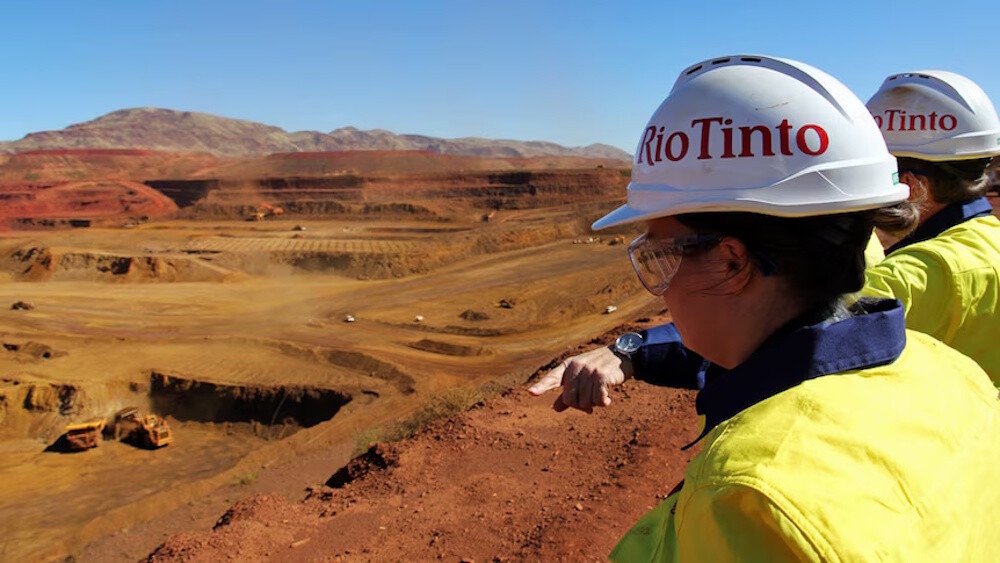
Sales of the essential steelmaking component iron ore, which constitutes Rio Tinto’s primary source of revenue, increased by three percent year-on-year, reaching 90.8 million tonnes in the third quarter. The company is persistently increasing production at its SimFer mine, which is a component of the Simandou project in Guinea, while maintaining stable output from its primary Australian iron ore mines. Rio Tinto is currently in the process of finalising a supply agreement with China’s state-backed iron ore purchaser. China Mineral Resources Group Co., established to represent the steel industry, advised several mills in early September to postpone acquisitions of the miner’s Pilbara Blend as negotiations approached a pivotal stage. Negotiations with CMRG have posed significant challenges for Rio’s counterparts, such as Fortescue Ltd. and BHP Group.
