
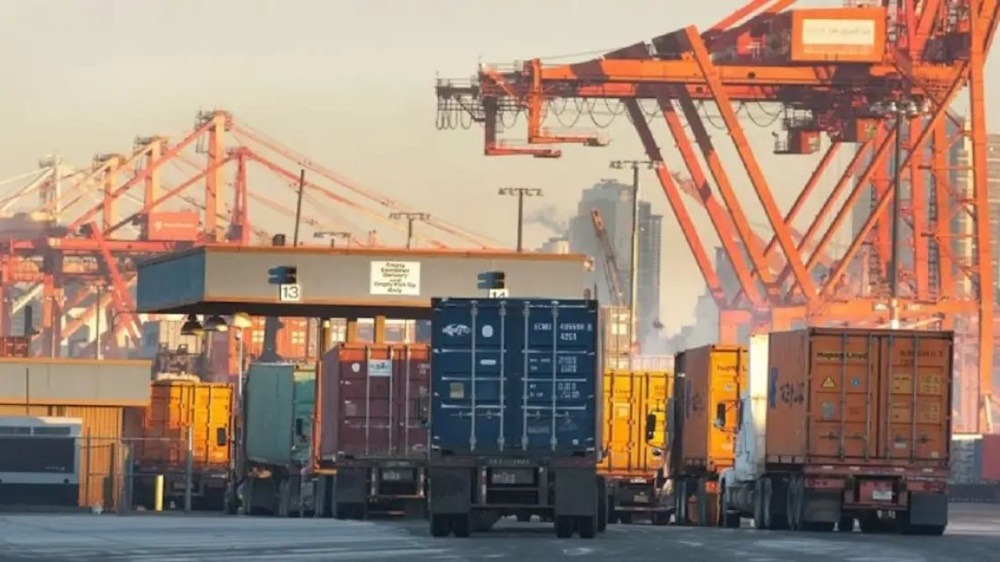
Argentine exports are witnessing an extraordinary surge in recent years, propelled by a significant increase in hydrocarbon production, mining activities, and an exceptional grain harvest. Estimates from the centre-right think tank Fundación Capital suggest that goods exports may exceed US$100 billion by year-end, surpassing the previous all-time high of US$88.7 billion established in 2022. Exports are anticipated to attain a comparable level by 2027. Against this backdrop, a report by consulting firm Biglobal argued that Asia “is consolidating its position as one of the main drivers of growth in global food demand,” creating an opportunity for Argentina to diversify its export markets beyond China. “Its productive capacity and agricultural and food supply enable it to meet the needs of expanding markets, deepen trade ties, and diversify export destinations,” the report said. According to the OECD-FAO Agricultural Outlook 2026–2035, lower-middle-income countries, led by India and Southeast Asian economies, “will account for 39% of global growth in agricultural and fish consumption.” In addition, Biglobal analysts said that economies in the region “are seeking to expand their supplier networks and reduce their dependence on a handful of trading partners” to strengthen supply security. India is becoming a crucial market for Argentine exports, considering its already substantial portion of the nation’s export portfolio. It stands as the fifth-largest market for Argentine goods, with exports amounting to US$4.2 billion from January to August 2026, as reported by INDEC, Argentina’s national statistics agency.
“India is a large-scale, fast-growing market, driven by services, industry, and expanding domestic consumption. Its demand for energy and food offers opportunities for Argentine exports,” Biglobal explained. The report highlighted that India’s demand for vegetable oils is “particularly relevant for Argentina,” given that soybean and sunflower oils constitute over 80% of Argentine sales to that market. The study also highlighted initiatives by both nations to ensure market access for citrus fruits, walnuts, blueberries, and lentils, which would aid in diversifying Argentina’s exports to India. It also underscored that the increasing demand for protein in India is generating prospects for Argentine seafood and various fishery products. Nevertheless, the level of Indian investment in Argentina continues to be relatively modest. As of March 2026, it amounted to US$143 million, with investments encompassing technology services, agrochemicals, and pharmaceuticals, as reported by the Central Bank of Argentina. Vietnam, meanwhile, combines a robust manufacturing and export foundation with a demand for grains and animal feed inputs “that complements Argentina’s supply,” the report stated.
In the previous year, Argentina’s exports to Vietnam reached a value of US$2.7 billion, positioning Vietnam as the sixth-largest market for Argentine goods. However, similar to the case of India, trade has not resulted in significant Vietnamese investment in Argentina: it totalled merely US$4 million in the first quarter of 2026. “Bilateral investment remains limited relative to the scale of trade,” the report noted. For Argentina, the report pinpointed avenues for collaboration in agribusiness, food processing, biotechnology, and food-related value chains. It also highlighted that Mercosur and Vietnam are in discussions regarding a preferential trade agreement aimed at enhancing market access and diversifying export opportunities. Singapore, for its part, has established a free trade agreement with the South American bloc; however, it is noteworthy that Argentina remains the sole member country that has not yet ratified the agreement. For Argentine companies, Singapore “can serve as a trade, logistics, or services hub from which to expand into the rest of Asia.” Singaporean foreign direct investment holdings in Argentina total US$911, concentrated in mining and manufacturing. Despite the stagnation of negotiations for a free trade agreement between South Korea and Mercosur since 2021, the Argentine government has this year entered into a memorandum of cooperation regarding critical minerals with South Korea.
According to the report, South Korea presents Argentina with avenues for collaboration and investment in critical minerals, technology, and industrial value chains. The report highlighted the investment by South Korean mining company POSCO in the Sal de Oro lithium project, situated between the provinces of Salta and Catamarca, where the announced investment surpasses US$2 billion. Japan, in contrast, boasts the most significant foreign direct investment presence among the Asian nations examined, with a total investment amounting to US$2.6 billion, predominantly (75%) focused in the automotive sector. Toyota serves as a notable case, manufacturing a variety of vehicles in Argentina. The Japanese company is additionally engaged in the Olaroz lithium project located in Jujuy province. Similar to South Korea, Japan represents a high-income market characterised by considerable demand for imported food and energy resources. For Argentina, both nations present avenues to enhance agricultural and food trade while drawing in investment.
