
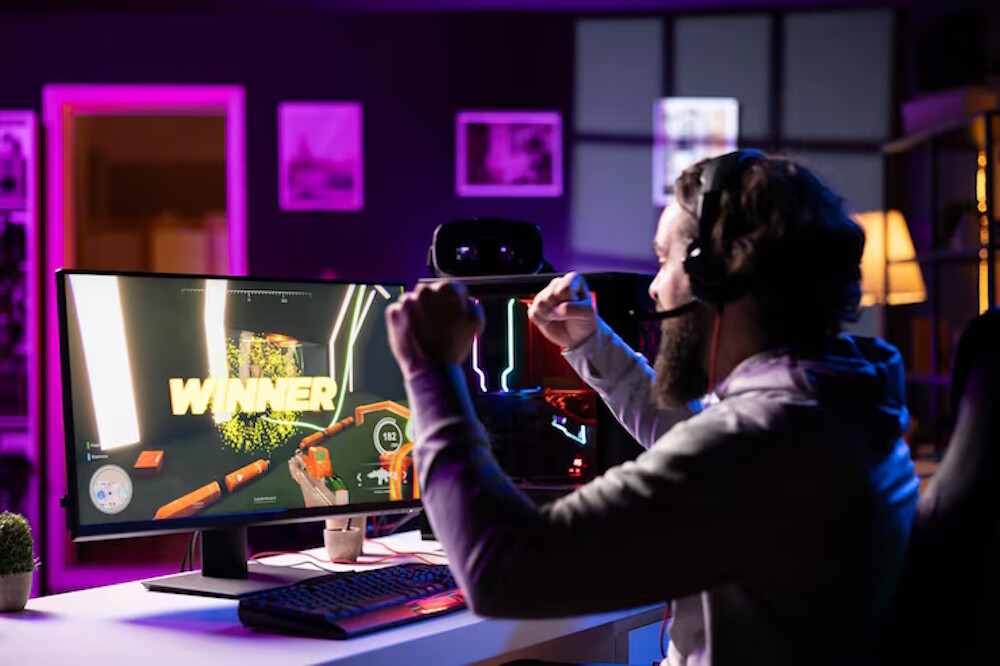
The usual verdict says that playing after a hard day is avoidance, yet that view misses what recovery can look like. A game can create a brief separation from work pressures and give a player something manageable to focus on. It is not a cure for chronic stress or a replacement for sleep and professional care, but it can be a valid form of leisure-based recovery for some people.
The useful test is the aftereffect, not screen time alone. A session that leaves someone calmer and ready to resume ordinary life serves a different purpose than one that continually pushes commitments aside. Planning also helps keep downtime intentional: Buy apple gift card can sit within a personal leisure budget rather than become an impulsive response to a rough evening.
Recovery is more active than switching off
Stress recovery research points to four relevant leisure experiences: psychological detachment from work, relaxation, mastery, and control over one’s activities. Psychological detachment offers mental distance from unfinished tasks and workplace demands. Relaxation can lower the sense of being constantly switched on, while control comes from choosing an activity without another person setting the agenda.
Mastery adds an important counterpoint to the idea that gaming is passive escape. Learning a system, overcoming a manageable challenge, or seeing progress can create a sense of competence outside work. A daily-report study of employees found more gaming time on an evening was linked with greater detachment and mastery, which were also associated with feeling more recovered or vigorous the next morning.
That does not mean every session produces the same result. A quiet solo experience, a cooperative session with friends, and a highly competitive match can affect people differently. The game, the player’s mood, and the reason for playing all shape whether the time feels restorative.
Healthy downtime has a clear boundary
Players can buy digital games from official platform stores or digital marketplaces. Eneba is one option for game keys or gift cards, with product pages that show regional compatibility and platform information to help people select content that fits their account.
Healthy downtime has recognizable signs. The player can stop at the point they intended, feels settled or refreshed afterward, and returns to responsibilities without sacrificing needed sleep. Gaming may also provide social connection for people who have formed online relationships, so recovery does not always have to be solitary.
Avoidance looks different because it repeatedly displaces parts of life that need attention. Postponing important tasks, replacing sleep or relationships, continuing despite clear negative consequences, and feeling unable to control play are stronger warning signs than the number of hours alone. Those patterns align more closely with the World Health Organization’s description of gaming disorder, which centers on impaired control, growing priority over other activities, persistence despite harm, and significant impairment.
The contrarian point is simple: escapism is not automatically unhealthy, and gaming is not automatically restorative. Temporary distance from pressure can help a person reset when it remains one part of a life that still includes rest, relationships, and responsibilities. Digital marketplaces like Eneba offer deals on digital products, while regional availability information can support a considered leisure purchase rather than an unplanned one.
