
A significant increase in household delinquencies is unsettling Argentina’s banking and fintech sectors, posing yet another obstacle to President Javier Milei’s bold economic reform agenda. The proportion of households unable to meet their debt obligations surged to a 15-year peak of 11.5 percent of total loans in March, up from 2.6 percent at the close of 2024, as reported by the Central Bank in its recent publication. The increase is diminishing the profitability of banks and other financial institutions, compelling numerous entities to increase their reserves for non-performing loans, while several are disclosing losses for the first quarter. According to FIX SCR, the local affiliate of Fitch Ratings in Argentina, four institutions – Ualá, Compañía Financiera Argentina, Banco de Servicios Financieros, and Banco del Sol – have received capital injections in recent months to counteract the erosion of equity. “The issue was that numerous banks and fintechs accelerated their lending efforts in 2024, at a time when Argentina’s macroeconomic conditions were only starting to stabilize,” stated Fernanda López.
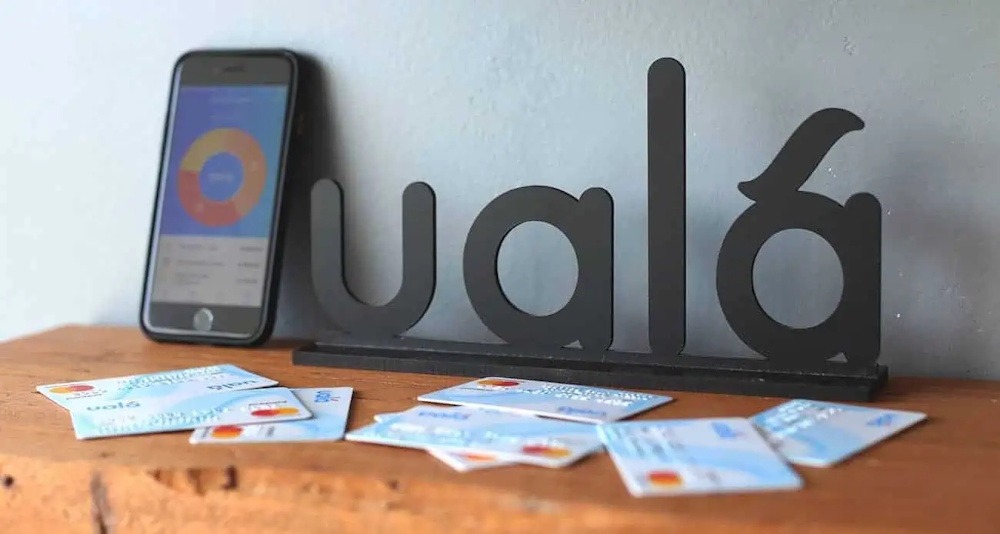
The disturbances within the banking sector can be attributed, at least in part, to Milei’s reform agenda, which has effectively reduced Argentina’s persistent inflation, albeit at the expense of various sectors of the economy. The decline in annual inflation – from 290 percent at the onset of Milei’s administration to below 33 percent presently – has taken households by surprise, particularly those accustomed to the erosion of debt in real terms through inflation. Simultaneously, elevated utility rates diminished disposable income, as the nation’s growth experienced a setback towards the end of the previous year. Damage across the banking sector has been extensive; however, certain analysts have indicated that lenders have managed to avert a worst-case scenario by reinforcing capital and receiving support from the Central Bank. Stressed banks included Banco de Servicios Financieros, Carrefour’s financial arm in Argentina, which required a capital infusion following a rise in delinquencies exceeding 49 percent in the first quarter, as reported by Central Bank figures. Ualá secured a capital infusion of US$197 million in March, following a delinquency rate that escalated to 39.5 percent in February. The initial figure was assessed prior to write-offs, which subsequently lowered the ratio to approximately 15 percent, as per an individual knowledgeable about the situation.
Compañía Financiera Argentina, a consumer lender operating under the name Efectivo Sí and targeting lower-income segments, disclosed a 26 percent decline in equity at the conclusion of 2025. The firm announced a capital infusion prior to its acquisition this week by Banco Columbia for slightly more than US$30 million, as per a company statement. The company continues to exhibit a delinquency rate of 39 percent, as per the February data released by the central bank. The impact is also prompting banks to reduce expenses to maintain capital reserves. Banco Supervielle initiated voluntary separation plans in March and April with the objective of decreasing its workforce by approximately 500 individuals from a total exceeding 2,900 employees, as reported by sources knowledgeable about the situation. Throughout the banking sector, financial institutions have reduced their workforce by 6,000 positions over the last year, bringing the total number of employees down to 96,000 as of the end of 2024. “Lenders are concentrating significantly on recovery initiatives, deploying their commercial teams to provide borrowers with extended maturities and interest waivers.” López said “They are doing so because they see willingness to pay on the part of individuals, but not the ability to pay.”
The Central Bank has been endeavoring to alleviate some of the pressure. In April, monetary policy was loosened, resulting in a reduction of rates toward 20 percent annually, despite inflation persisting at 32 percent. Additionally, reserve requirements were relaxed to enhance liquidity. Central Bank officials have also encouraged banks and financial technology firms to provide relief to delinquent borrowers by extending maturities, reducing rates, and waiving penalty interest, as reported by sources familiar with the situation. Alejandro Butti indicated that the increase in household defaults was a consequence of last year’s high real interest rates coupled with stagnant real wages over the past 10 months. He posits that delinquencies are approaching a zenith and are likely to diminish as rates recede. “The recovery in real wages starting in April should help reduce delinquencies,” he stated at an event in Buenos Aires last week. Some remain skeptical that the most challenging period has passed. “We still haven’t seen the peak in delinquency,” stated Marcelo De Gruttola. Nonetheless, “we are starting to see the pace of deterioration slow.”
