
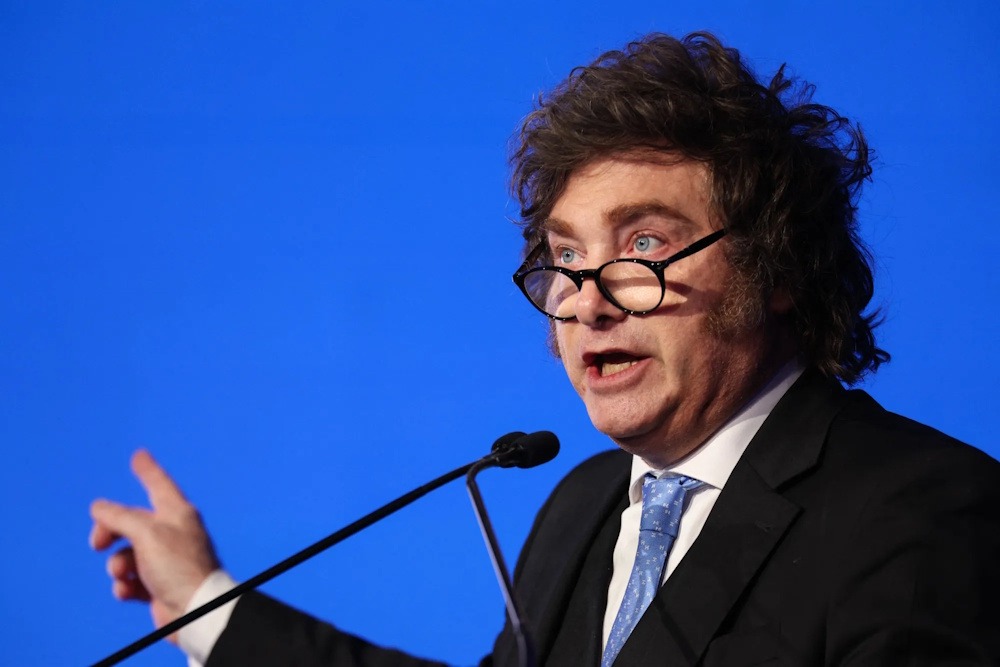
The administration of President Javier Milei was pleased to hear that June saw the first monthly inflation rate in Argentina to fall below two percent since August 2025. The most recent numbers provided by the INDEC national statistics department on Tuesday showed a 1.9% increase in prices for June, providing Milei and his staff with some relief following a Cabinet upheaval that was caused by a scandal and has put his government in a vulnerable position. The downturn that started in April seems to be going on, according to the bureau’s assessment. Since March, when inflation peaked at 3.4%, it has slowed and is now below the desired two percent level. Nonetheless, Argentina still has a long way to go before its inflation problems are fixed. So far this year, prices have climbed by 16.8 percent, according to INDEC. A significantly elevated rate of 33.5% yearly inflation is still in place.
Based mostly on recent statistics from Buenos Aires City, market analysts had predicted inflation to be between 1.5% and 2%. Housing, utility, and gasoline price rises of 3.5% contributed to June’s total. With a monthly growth of 4.2%, recreation and culture well outpaced communications (up0.9%) and apparel and footwear (up0.4%), which were both somewhat muted. At 1.6%, core inflation hit a new low not seen since July 2025, when it was 1.6%. This measure takes into account both regulated prices and seasonal influences. A monthly increase of 3.4% was recorded by seasonal prices, the most substantial category. “The three-month rolling [inflation] average fell by 0.5 percentage points (p.p.) compared with May, reaching its lowest level since October last year and reflecting the strength of the disinflationary process,” said the Economy Ministry in a post on social media. When Milei and his senior officials reviewed the statistics, they were pleased. Reposting multiple messages on X, the president brought attention to the lowest inflation reading since last October.
Declaring that inflation is no longer a major concern, newly appointed presidential spokesman Adrián Ravier presented a positive perspective. According to X tweet by Economy Minister Luis ‘Toto’ Caputo, the headline rate in June was the lowest monthly figure since August 2025, and the result showed “the strength of the disinflation process” under President Milei. Caputo added that last month there was a 1.3% increase in food and non-alcoholic beverages and a 0.4% increase in apparel and footwear. Also, cost-of-living indices have gone up, according to the minister. The Basic Food Basket had a 1.3 percent increase, whilst the Total Basic Basket, which is employed for defining the poverty line, saw a jump of 2.2 percent. Santiago Casas, said that “the breakdown of the data points to a very positive outlook.” And “Goods rose by just 1.4 percent month-on-month and, within this category, food and non-alcoholic beverages recorded an increase of only 1.3 percent, confirming that disinflation is spreading to mass-market consumer goods,” he noted.
But not everyone was ready to declare a turning point. “Beyond June’s specific figure, what matters will be watching the inflation trend in the coming months. What will really matter is whether inflation can sustain that level [below two percent] over time,” said Javier Bongiovanni. In the two years since taking office in December 2023, Milei has cut inflation from triple digits to the current rate of 33.5% and eliminated Argentina’s long-standing budget deficit through strict austerity measures. But there have been major costs to the adjustment as well: state agencies have been shuttered, tens of thousands of jobs have been lost, and wages and pensions have declined sharply. Primary exports and financial intermediation contributed to Argentina’s 0.7% first-quarter economic growth. Uneven growth characterises the recovery, though, as some industries continue to expand while others, like industry and commerce, continue to decrease.
