
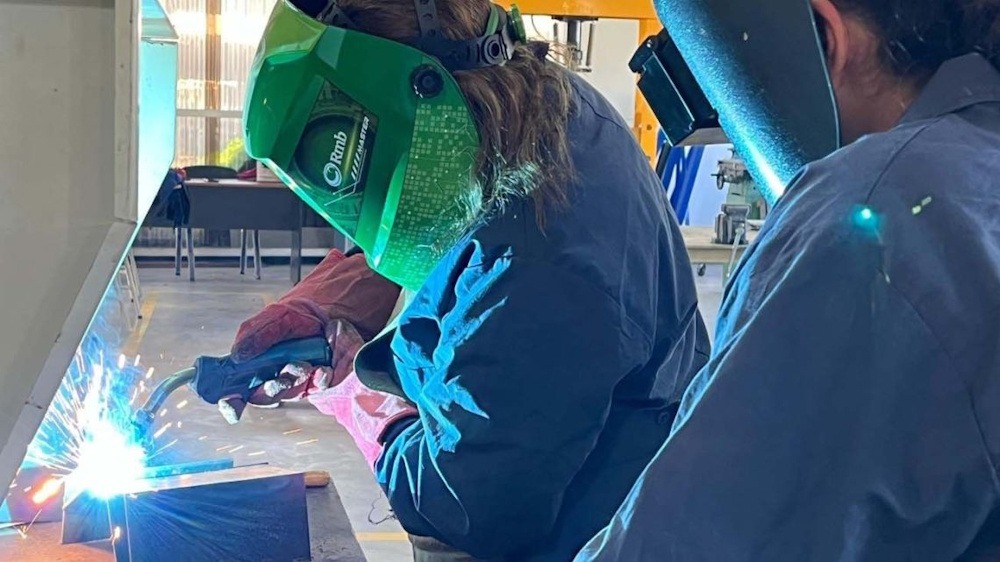
In March, Argentina’s industrial sector experienced a resurgence, breaking an eight-month trend of year-on-year contractions, as reported. Nevertheless, analysts advised prudence in interpreting the significance of a solitary month’s enhancement. The Industrial Production Index indicated a 0.7% increase in factory output compared to March of the previous year, with seasonally adjusted activity rising by 0.8% from February, thereby offsetting the prior month’s decline of 3.1%. The rebound presents preliminary indications of stabilization, yet the overarching scenario continues to exhibit fragility. Industrial output in the first quarter experienced a decline of 3.1% relative to the same period last year, and it was 0.4% lower than the final quarter of 2025.
The most robust performance was observed in non-metallic minerals, a sector intimately associated with construction, which experienced a 7.3% annual increase, propelled by an 11% rise in cement shipments, a growth attributed to the resumption of public works projects. This facilitated the sector’s recovery following four consecutive months of contraction. Food, beverages, and tobacco experienced growth, recording a 2% annual increase. Edible oil production emerged as a significant contributor, increasing by 5.2%, whereas cattle slaughter experienced a decline, albeit at a reduced rate compared to earlier in the year. Machinery and equipment continued to exhibit a contraction, declining by 5.3% on a year-on-year basis. Nonetheless, the decrease was not as pronounced as in January and February, during which declines surpassed 20%. Within the category, the automotive industry experienced a modest increase of 0.4%, bringing an end to four consecutive months characterized by significant losses nearing 30%. In March, basic metals output experienced a decline of 2%, while crude steel production notably rose by 17.1%.
Despite the improvements observed in March, Ferreres analysts cautioned against excessive optimism regarding future prospects. They highlighted the deceleration in growth in Brazil — Argentina’s primary industrial trading partner — as a possible obstacle, while domestic construction activity continues to lag behind historical norms and household incomes have not sufficiently rebounded to stimulate a robust recovery in consumption. For President Javier Milei’s administration, the data presents encouraging signs that economic activity could be reaching its lowest point. However, given that demand continues to be subdued and the recovery is limited to just a few sectors, the industry is still quite distant from achieving a comprehensive resurgence.
