
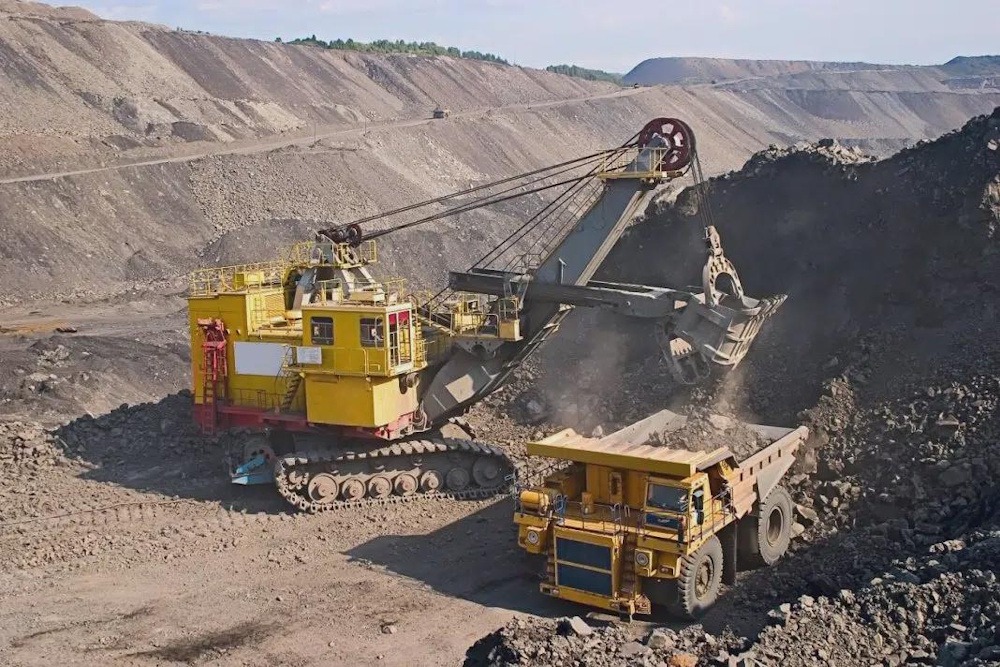
Stewart Wheeler, the Canadian ambassador to Argentina, said that negotiations are underway to update a 1992 agreement between the two nations to safeguard and promote investments. The objective is to draw in investments in the mining sector, which President Javier Milei views as vital for economic expansion and in which the North American nation possesses significant expertise. “It’s about 30 years old, and both sides want to modernize it,” stated Wheeler, who arrived in Argentina in 2025. These negotiations, along with the continuing discussions regarding a free trade agreement between Canada and the Mercosur bloc, as well as Milei’s pro-market reforms, present optimistic indicators for the ambassador. “I’m probably the first optimistic Canadian ambassador in Argentina in a generation,” he told. Things weren’t always this way. According to Wheeler, the embassy’s commercial branch has often found it “frustrating to do business in Argentina” due to the lack of macroeconomic stability, exchange restrictions, and high inflation.
“Those are things that the business community looks to for stability when they’re choosing where to put their energy abroad,” he said, adding that Canadians know that a new government has arrived and that the country is opening up to more trade and investment. “And that’s all very positive.” Wheeler noted that the Milei administration has been “very successful” at stabilising inflation and “starting along that long path of economic reform.” Among the more notable bills, he highlighted labour reform and amendments to the Glaciers Law, a government-supported initiative that eased environmental regulations in glacier regions and permitted mining in areas that were formerly safeguarded. “Those were some of the predictability and transparency questions that the private sector would look to if they’re going to come here and invest billions of dollars to develop mines or energy,” he emphasized. Wheeler added that last October’s election showed “a vote of confidence in the direction the government was taking the country.”
The potential signing of a Canada-Mercosur deal represents a significant opportunity to enhance trade relations and stimulate Canadian investment in the region. Wheeler indicated that while it is challenging to pinpoint a precise timeline for the completion of the deal, negotiations are progressing positively. He stated that free trade has been a hallmark of his country and that Mercosur has emerged as one of their “priority free trade negotiations” because of the significant complementarity between the economies. Wheeler noted that Canadian investment is likely most prominent in the mining sector. He stated that “well over 50%” of new mining explorations in Argentina originate from Canadian companies. “Argentines sometimes hear a narrative that suggests that foreign countries are coming with their big companies to exploit a natural resource and then leave. Canadian companies have been in the mining sector here for decades, and they’re here to stay,” he explained.
He added that they are also looking to establish a long-term partnership in Argentina’s development in mining and oil and gas, as well as in other sectors, such as renewable energies. “There is a lot of engineering and renewable energy know-how that’s required to combine renewable energies with traditional sources of energy or nuclear energy and put it all together into a grid that goes out into parts that are far away from cities and supplies economic needs,” Wheeler added. “And that’s all the expertise and experience that we have; (so) we’re happy to build with Argentina,” he said.
