
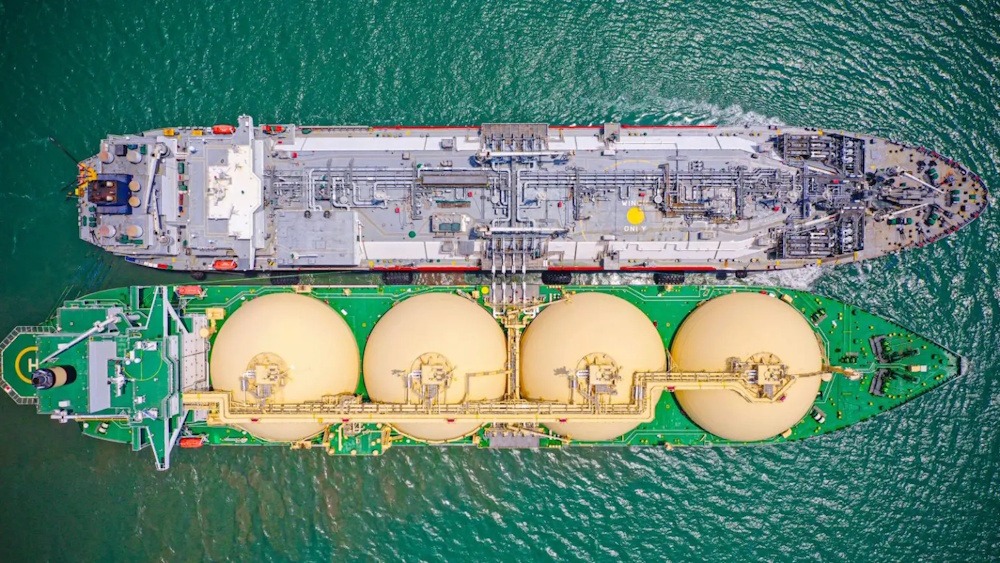
A consortium comprising Argentine construction firm Víctor Contreras and Italian company Sicim has secured the contract to construct the largest liquefied natural gas pipeline in the Vaca Muerta oil and gas field, facilitating Argentina’s ability to export this essential commodity. The decision was reached unanimously by San Matías Pipeline, the consortium responsible for the project, which includes the state-owned oil company YPF, Pan American Energy, Pampa Energía, Harbour Energy, and Golar LNG.
The announcement signifies yet another setback for the local behemoth Techint, the foremost manufacturer of steel pipes for the oil sector in Argentina, which has been excluded from the tender process and, prior to this, had also missed the opportunity to supply the pipes for the project. Techint has established itself as the premier state contractor for large-scale energy projects within the nation and was among the top contenders for this tender. In January, the enterprise led by Paolo Rocca was unsuccessful in securing the contract to supply pipes for the San Matías LNG project, which was awarded to the Indian firm Welspun Group, prompting significant scrutiny from President Javier Milei.
Rocca has expressed skepticism regarding Milei’s open trade policies, while the president has charged him and other business figures with perpetuating a system of privileges associated with political power over the years. Reports indicate that Víctor Contreras-Sicim submitted the lowest bid among the five contenders in the tender for the Vaca Muerta project. Argentine firm Oilfield Production Services has secured a segment of the tender associated with the establishment of a compression plant connected to the same initiative. The gas pipeline is set to span 471 kilometers, linking Tratayén in the Neuquén province to the San Matías Gulf in Río Negro.
The anticipated capacity is set to facilitate the transportation of as much as 27 million cubic meters of gas daily. The pipeline is set to deliver gas to two liquefaction vessels located in the San Matías Gulf, with operations anticipated to commence prior to the winter of 2028. The transformation of the San Matías Gulf into an LNG export hub is anticipated to position Argentina among a select group of countries capable of exporting LNG, a commodity that is currently experiencing elevated prices due to global energy demand.
