
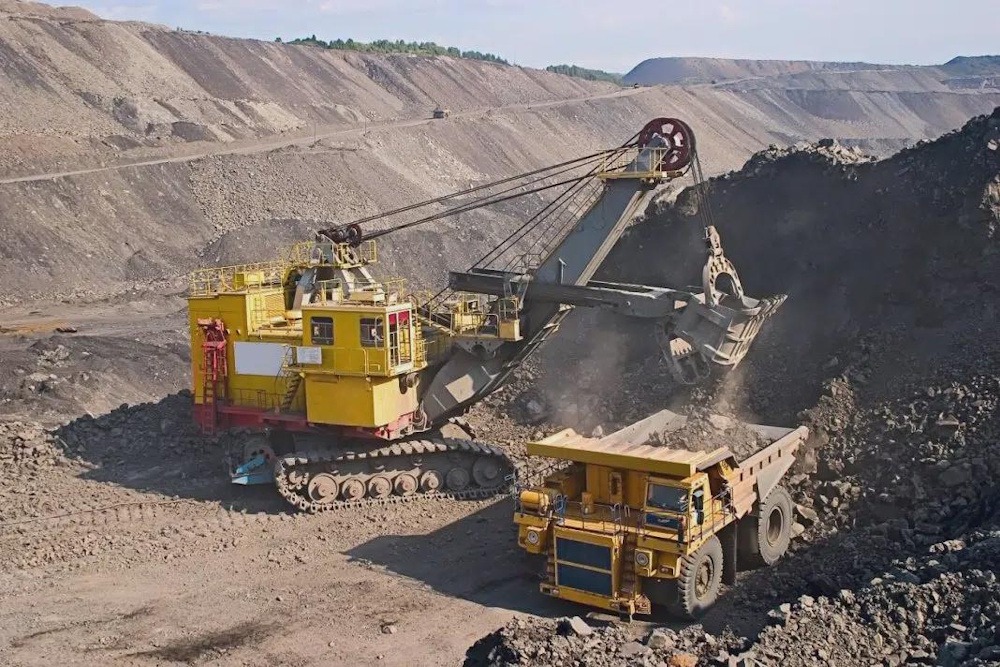
The projects approved by the Incentive Regime for Large Investments, or RIGI in Spanish, provide the provinces in Argentina’s north and west cause for optimism. Out of 21 approved investments, 12 are allocated to the mining sector. Situated in the provinces of Mendoza, San Juan, Catamarca, Salta, and Jujuy, these initiatives are projected to entail an investment exceeding US$21 billion. Official estimates indicate that lithium, copper, gold, and silver mining projects are projected to generate more than 65,000 direct and indirect jobs. Furthermore, Deregulation Minister Federico Sturzenegger predicted that, in the coming years, mining ventures would cause one million people to migrate to Catamarca and another 800,000 to San Juan.
In the interim, these provinces are experiencing significant economic distress. According to a recent study by Austral University, utilising the latest official data, economic activity in those five provinces experienced a year-over-year decline of 4.2% in May, alongside a monthly decrease of 2.3% relative to April. Despite a 1.9% increase in the first half of 2026, year-to-year accumulated economic growth for the same period remains down 1.2%. Similar to other regions in Argentina, the most pressing challenges arise from three critical issues that the Milei administration has struggled to address: elevated rates of informal employment, stagnant wage growth, and a continuous increase in household debts along with rising instances of debt delinquency.
Consulting firm Politikón reports that informal employment in Greater San Juan reached 60.9% in the first quarter of 2026, positioning it as the metropolitan area most adversely affected. Jujuy and its surrounding areas exhibit a significant informality rate, with 54.7% of the workforce classified as informal. A comparable scenario is observed in Mendoza (52.3%) and Salta (51%), whereas Catamarca (45.1%) stands as the sole region beneath the 50% threshold. For comparison, the level of informality in the Buenos Aires Metropolitan Area is recorded at 47.4%. The national average stands at 44.2%. Wages are comparatively less favourable. Private sector salaries across all five provinces fall short of the national average recorded in the first quarter of 2026, which stood at AR$2,207,129 (US$1,452, based on the official exchange rate).
- Catamarca: AR$1,826,270 (US$ 1,201)
- San Juan: AR$1,798,580 (US$ 1,183)
- Salta: AR$1,786,369 (US$ 1,175)
- Jujuy: AR$1,780,179 (US$ 1,171)
- Mendoza: AR$1,628,096 (US$ 1,071
This situation exists alongside elevated levels of household debt and instances of debt delinquency. A study conducted by the consulting firm Eco Go in collaboration with Austral University revealed that Catamarca recorded the highest debt level at 11.9% among the five provinces for the month of June. San Juan, in contrast, recorded the lowest figure at 7.3%. Concerning debt delinquency, all five exceed the national average of 17.5% of total credit. Catamarca once again occupies the top position, registering a rate of 21.8%, trailed by San Juan at 21%, Salta at 19.4%, Mendoza at 18.9%, and Jujuy at 18%.
