
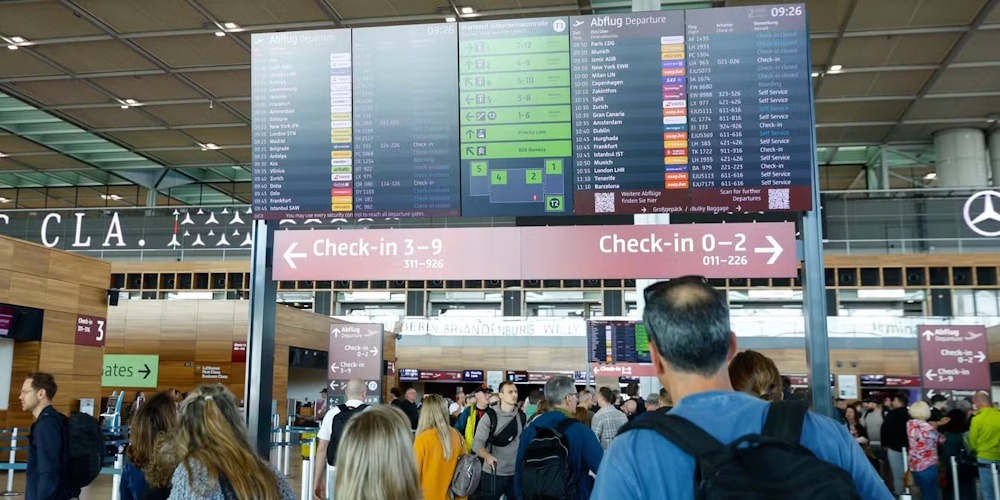
Airport taxes have been raised for more than 30 airports in Argentina by the National Airport System Regulatory Authority (ORSNA, in Spanish). When the policy goes into force in 60 days, it will affect how much plane tickets cost in the end, depending on the route taken and the airport used. Jorge Newbery Airport (Aeroparque), Ezeiza, Córdoba, Bariloche, Mendoza, Puerto Iguazú, Salta, Jujuy, Comodoro Rivadavia, and Mar del Plata are the airports that are covered by the program. Other places to be found include: San Juan, La Rioja, Santa Rosa, General Pico, Río Cuarto, Tucumán, Puerto Iguazú, Posadas, Resistencia, Formosa, Catamarca, Santiago del Estero, Termas de Río Hondo, Corrientes, Reconquista, Bahía Blanca, Neuquén, Viedma, Puerto Madryn, Esquel, Río Gallegos, and Río Grande. The rates and application terms of the other airports will not change.
The National Civil Aviation Administration revealed that one of the main changes concerns the domestic Airport Passenger Service Charge, a tax that is imposed on travellers. Since the change will depend on the individual flight and the airport in question, no set percentage increase was declared. A steady charge for using airport facilities, few nominal rate increases, and preservation of concession profits are the goals of the amendment. The government body made it clear that the TUA is not a tax, even though it is so called. Airport facilities are operated under a concession by the National Government, and the TUA is a tariff because it compensates users for using those facilities, according to the wording.
In addition, the discount of 30% that was previously applied to international landing and parking expenses is automatically integrated into the new structure. The discount has previously been subject to an agreement between Aeropuertos Argentina 2000, the International Air Transport Association, and ORSNA, which was dependent on airlines meeting their payment deadlines. The agreement will no longer dictate the reduction under the new schedule; instead, it will be incorporated into the rates. The agency has argued that this will lead to more predictability and openness when applying the tariff.
