
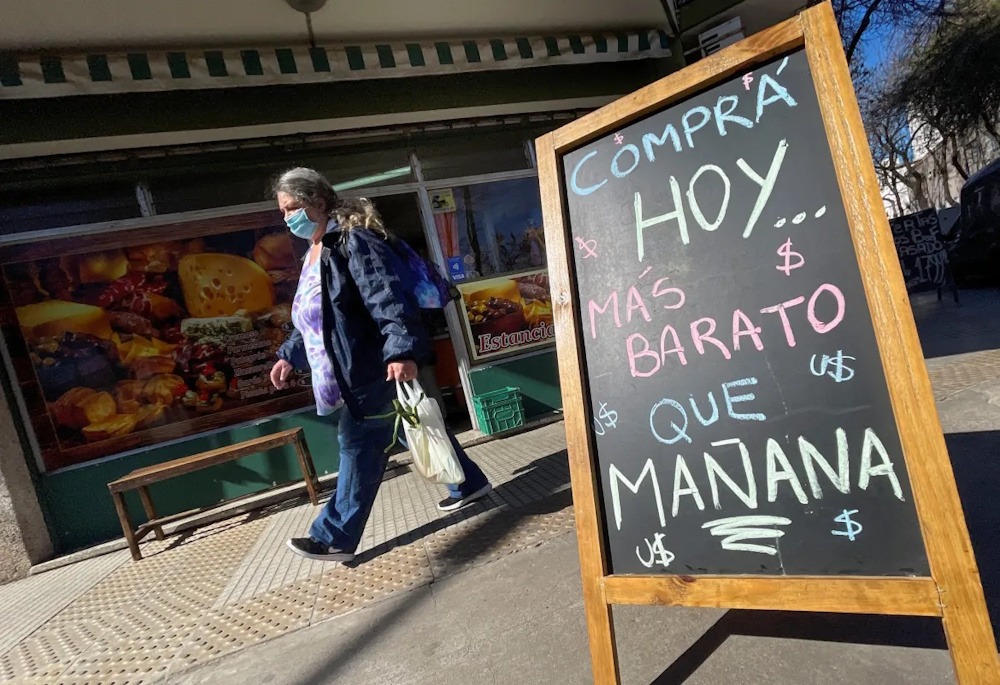
May inflation in Argentina was recorded at 2.1%, according to a report released Thursday by the statistics agency INDEC. The figure indicates a slight decline compared to April’s 2.6%, marking the first occurrence in a year where the inflation rate has shown a deceleration for two consecutive months. It is also the lowest figure in the last nine months, surpassed only by the 1.9% recorded in August 2025. Core inflation, meanwhile, registered at 1.9%, marking a notable deceleration from the prior month’s 2.3% and representing the lowest level since July of the previous year. Prices have risen by 33.2% in comparison to the previous year, while cumulative inflation for the year 2026 stands at 14.7%. Prices for seasonal products saw a notable increase, rising by 3.5%, due to the surge in vegetable prices. This increase, however, was offset by a decline in fruit prices.
The category that saw the most notable growth was communications, with a rise of 3.4%, largely driven by increasing telephone service rates. The second category that saw the most notable increase was education, with a rise of 2.9%. Upon examining the data by region, it is evident that the Northwest demonstrated the most substantial growth, with an increase of 2.6%. In contrast, Patagonia saw a more modest monthly increase of 1.9%. The figure showed a slight improvement relative to the reports from private consulting firms, which generally agreed that May would reflect a continued moderation in price increases. “After several months, inflation is lower than the market had expected,” stated Fernando Marull.
According to the latest Market Expectations Survey conducted by the Argentine Central Bank, the Consumer Price Index was anticipated to be 2.3%, but it ultimately registered at 2.1%. This event has not occurred since August of last year. Experts agree that this downward trend is expected to continue in the coming months. According to consulting firm C&T, prices show a slight decline at the start of June. “The rolling 4-week average inflation, which had closed at 2.2% in May, fell to 2.1%,” by the first week of the month, they explained. EcoGo expects an inflation rate of 1.9% for this month; however, they have indicated that this figure is preliminary and subject to future adjustments. The REM, which consolidates forecasts from 34 local and international consulting firms and research centers, in addition to 12 financial institutions in Argentina, projects June inflation at 2.1%.
They foresee a steady decrease in the rate, expecting it to dip below the 2% mark in August at 1.9%, ultimately reaching 1.7% by November. This would signify a significant milestone for President Javier Milei, given that his administration successfully kept monthly inflation under 2% from May to August 2025, following the easing of foreign exchange restrictions for retail buyers. This, however, would indicate a notably more cautious aim than the one originally proposed by the Argentine president. Just three months ago, Milei had confidently asserted that August’s retail inflation would begin at “0. [something] %.”
