
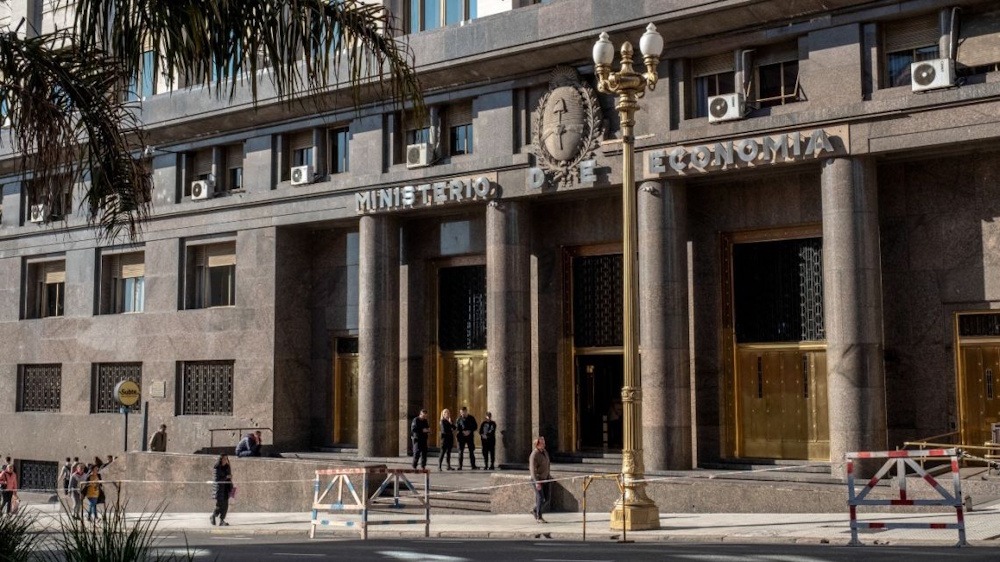
Argentine financial markets experienced a significant downturn on Thursday, as dollar bonds topped the list of emerging-market losses, while overnight repo rates escalated sharply due to increasing concerns regarding the government’s fiscal situation. The sell-off, which has been building for days, gained fresh steam as analysts pointed to signs the government was purchasing peso bonds to reduce borrowing costs. The one-day peso repo rate surged to an annualised 190 percent in late trading, up from 26 percent the previous day, marking the highest level since the country’s midterm elections in October 2025. “What is clear is that the government prioritises exchange-rate stability over interest-rate stability,” said Belisario Álvarez de Toledo. “This raises a warning for the future because it shows that the government is willing to tolerate significant interest-rate volatility.”
The shift in repos occurred just a day following a surge in demand for local bonds, which sparked speculation regarding potential government intervention in the market in anticipation of significant Treasury auctions. The notes due in 2029 and 2030 experienced a rally exceeding four percent on Wednesday afternoon, counteracting earlier declines observed during the day. Trading volume surged to over three trillion pesos, approximately three times the typical level. The bonds continued their downward trajectory on Thursday. Broking PPI, consultancy 1816, and market strategist Martín de la Fuente at local broking Buenos Aires Valores indicated that the size and concentration of the trades implied the potential involvement of an official buyer. De la Fuente estimated the purchases totalled around two trillion pesos on Wednesday.
Longer-term peso bonds experienced a significant decline in the initial days of November, as concerns regarding the forthcoming presidential elections and imminent sovereign debt maturities dampened investor appetite for the nation’s assets. Dollar notes have also declined, with certain maturities trading at their lowest levels since October 2025. PPI indicated in a research note that the objective of the intervention would be to reduce yields prior to the Treasury’s concluding debt auctions of the year, set for next week. The upcoming auction is set to encounter approximately 10.5 trillion pesos in maturities, succeeded by an additional 66 trillion pesos across the next two auctions, as reported by PPI. The Economy Ministry and the Central Bank refrained from providing any commentary regarding the speculation. Investors flocked to Argentine assets last year as President Javier Milei curbed inflation and implemented fiscal discipline – a strategy that has resulted in tepid economic growth, which may jeopardise his chances for re-election in 2027.
Concerns surrounding the vote have adversely impacted the nation’s assets in recent weeks. Losses, which had already intensified following the defeat of right-wing ally Flávio Bolsonaro in last month’s Brazilian elections, further deepened after US voters expressed their disapproval of Donald Trump’s policies in this week’s midterms. On Thursday, Argentine dollar bonds exhibited the poorest performance among emerging markets, with certain notes declining by two cents on the dollar. De la Fuente indicated that the dollar bond curve is experiencing pressure due to apprehensions regarding the government’s capacity to fulfilll its debt obligations in the upcoming year. The country is obligated to make approximately US$25 billion in hard-currency debt payments in 2027. “It looked more like an attempt to send a signal about where they wanted peso bond yields to trade,” he said in an interview. “Higher international rates are hurting Argentina’s dollar bonds, and that pressure is feeding through to the peso curve.”
