
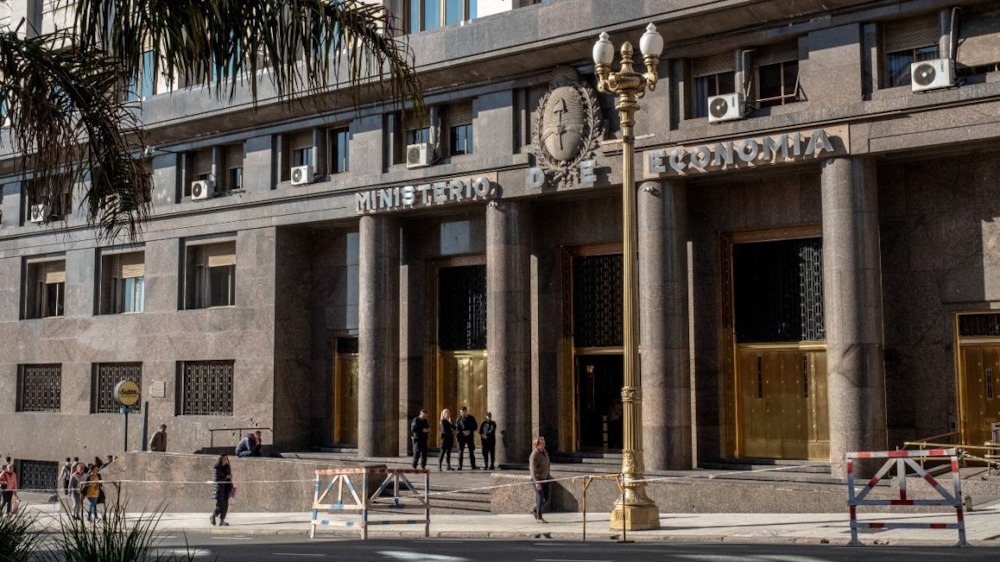
Argentina achieved a budget surplus, marking the second consecutive year of fiscal outcome. The news was attributed to the “zero deficit” policy enacted by President Javier Milei upon his assumption of office in December 2023. Argentina’s primary surplus, excluding interest payments on debt, was recorded at 1.4 percent of gross domestic product last year, while the overall fiscal surplus amounted to 0.2 percent of GDP, as stated by Economy Minister Luis Caputo.
Caputo indicated that primary government spending in 2025 is projected to be 27 percent lower in real terms than it was in 2023. “This reduction was achieved while protecting spending on direct social programmes aimed at the most vulnerable sectors,” the minister wrote. Social spending on state child support and food aid increased by 43 percent in real terms from December 2023 to December 2025, he noted.
Before Milei assumed office, the nation had not been able to achieve two successive years of positive balances in its public accounts since 2008. Nevertheless, last year’s result signifies a modest decline relative to 2024, when Argentina’s primary surplus was recorded at 1.8 percent and the fiscal surplus at 0.3 percent. Milei stated in a post on his X account, “The fiscal anchor [zero deficit] is and will be a state policy,” in response to the news.
The outcome was supported by a significant reduction in public expenditure, encompassing cuts in subsidies and the freezing of budgets in sectors including education, health, scientific research, and public works. Caputo stated that the surplus projected for 2025 was attained despite reductions in both taxes and export duties. Sound public finances and economic growth will facilitate the ongoing return of resources to the private sector through tax cuts, which have already surpassed 2.5 percent of GDP since 2024,” he wrote.