
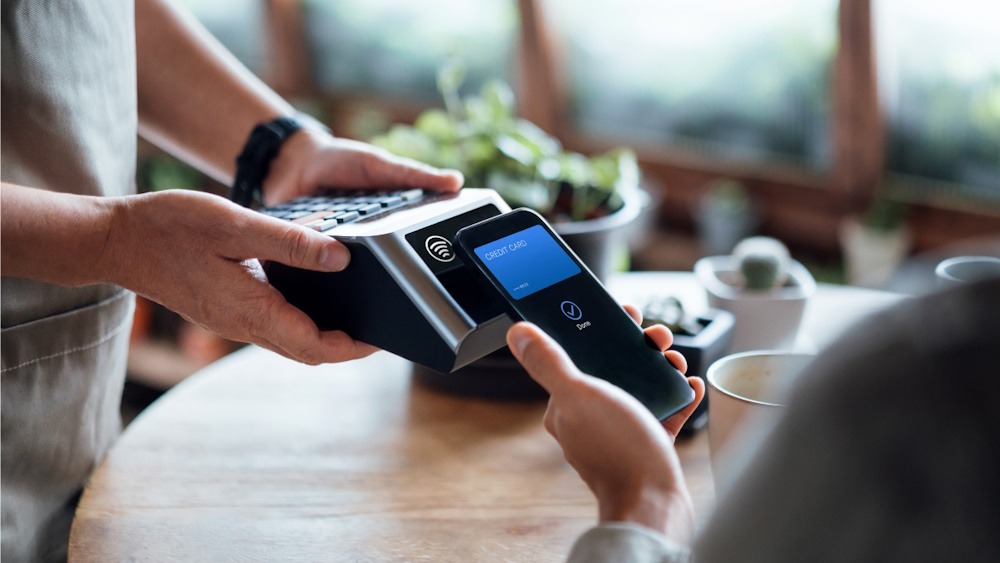
Latin America is undergoing a financial revolution. Once dominated by cash transactions and long queues at banks, the region is now embracing mobile wallets, instant transfers, and fintech platforms that are reshaping how people interact with money. This shift is not only modernizing consumer behavior but also redefining the foundations of economic growth.
Mobile Phones as Financial Lifelines
Smartphones have become the backbone of financial inclusion. Affordable devices and prepaid data plans allow millions of people to access banking services without ever stepping into a branch. In Brazil, more than 80% of internet users rely on mobile phones as their primary connection, turning these devices into gateways for savings, payments, and investments.
Street vendors now accept QR codes, families pay utility bills through apps, and workers send remittances instantly across borders. This accessibility is transforming mobile phones from communication tools into lifelines for economic participation.
Instant Transfers and Consumer Trust
Speed is the new currency. Platforms offering rapid payouts and transfers are setting expectations across industries, from e-commerce and travel to gaming and iGaming. In the online gambling sector, platforms such as fast withdrawal casinos are becoming a benchmark for iGaming in general. Players turn to these websites for smooth payouts and multiple payment methods, above other features.
Beyond entertainment, fintech startups in Mexico, Colombia, and Argentina are pioneering systems that allow salaries, refunds, and invoices to be processed within seconds.
This immediacy builds consumer trust and strengthens small businesses by improving cash flow. For individuals, it means greater control over personal finances and less reliance on cash, which historically carried risks of theft or loss.
Driving Regional Trade and Entrepreneurship
Digital payments are also fueling cross-border commerce. Small exporters can now reach international buyers without the friction of traditional banking systems. Mobile wallets and fintech platforms reduce transaction costs, making it easier for entrepreneurs to expand beyond local markets.
Countries like Brazil and Mexico are leading this transformation, with fintech ecosystems that rival those of Europe and Asia. By lowering barriers to trade, digital payments are encouraging innovation in logistics, supply chains, and e-commerce, while strengthening regional integration.
Bridging the Digital Divide
Despite rapid progress, challenges remain. Rural communities and marginalized groups often lack reliable internet access, limiting their ability to participate fully in the digital economy. According to the Digital Development Observatory, mobile broadband penetration has grown significantly, but gaps persist between urban and rural areas. And while internet usage is booming, millions remain excluded due to infrastructure limitations.
Governments and private firms are investing in fiber-optic networks, community Wi-Fi hubs, and affordable data plans to close these gaps. Ensuring universal access is critical if digital payments are to become a tool for inclusion rather than a marker of inequality.
The Road Ahead: A Cashless Future
Analysts predict that by 2028, digital payments could account for more than 60% of consumer spending in Latin America. This growth will be driven by expanding fintech ecosystems, supportive regulatory frameworks, and a generation raised on digital-first solutions.
Biometric authentication, bundled subscription services, and mixed-reality shopping experiences may soon become standard. As trust in digital systems grows, cash will increasingly be seen as a backup rather than the default. For Latin America, this transition represents not just technological progress but a profound economic shift—one that empowers individuals, strengthens businesses, and integrates the region more deeply into the global digital economy.