
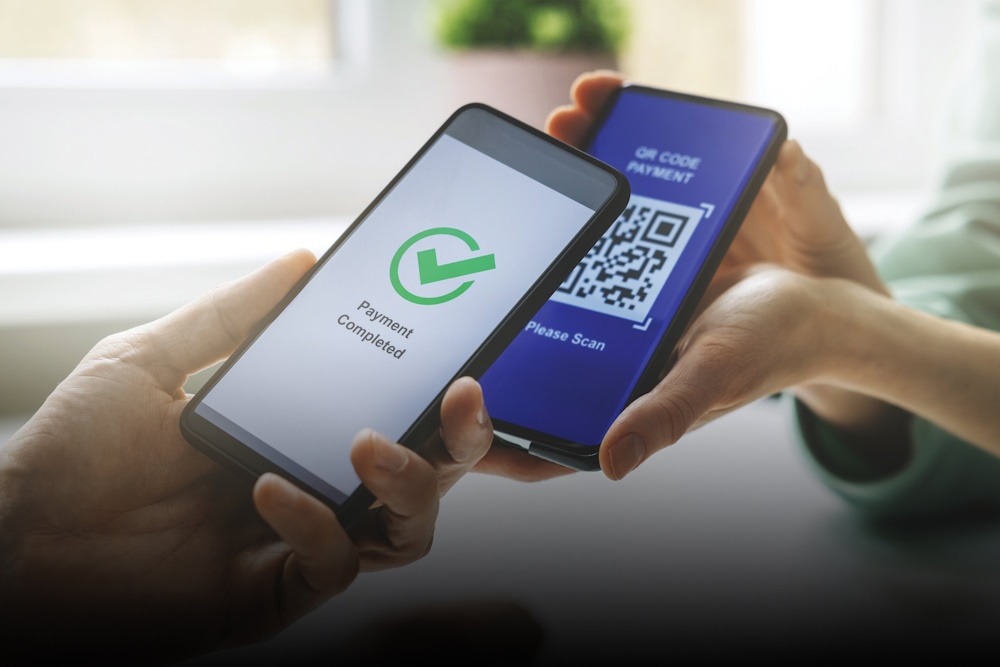
Global commerce once relied heavily on physical cash exchanges and traditional banking channels. Today, digital payments are reshaping how people move money across borders. Online transactions happen instantly, and currency conversions often occur automatically behind the scenes.
The rapid growth of online marketplaces, gaming platforms, and subscription services has increased demand for convenient payment options. Consumers frequently purchase digital goods or prepaid balances online, including options like a Venmo e gift card online, which allows users to fund accounts or make purchases across compatible platforms.
As digital payment systems expand, they are transforming the mechanics of currency exchange and influencing how individuals manage international transactions.
Faster Cross-Border Transactions
Traditional currency exchange often involved visiting banks or currency kiosks, waiting for processing, and paying additional fees. Digital payments simplify this process through automated conversion tools built directly into payment platforms.
When users make international purchases online, payment providers convert currencies instantly during checkout. The system calculates the exchange rate in real time and processes the payment within seconds.
This convenience has encouraged businesses to sell products globally. Companies can reach customers in multiple countries without requiring local currency accounts for each market.
Consumers benefit as well. They gain the ability to shop internationally with minimal effort, while the payment platform manages conversion in the background.
Increased Transparency in Exchange Rates
Digital payments have also improved visibility around currency conversions. Many financial apps display the conversion rate before a transaction is finalized.
This transparency helps users understand the true cost of international purchases. Instead of discovering hidden fees later, buyers can review exchange rates and service charges before completing the payment.
Some digital wallets allow users to hold balances in multiple currencies. This feature allows people to convert funds when exchange rates appear favorable rather than during every purchase.
Real-time information empowers consumers to make more informed financial decisions.
Online Marketplaces and Global Purchases
The growth of digital commerce has created an ecosystem where products, services, and entertainment content move across borders instantly. Video games, software licenses, and streaming subscriptions often reach global audiences through online platforms.
In discussions about purchasing digital games, buyers frequently compare official stores with third-party marketplaces.
Players can purchase digital games through official platform stores, yet many also explore trusted marketplaces to stretch their budgets. Eneba often stands out because it offers game keys at competitive prices across a large catalog. A game key functions as an activation code. For example, after buying a PlayStation game key, the player redeems it through their PlayStation account and unlocks the game instantly. Eneba provides fast access to these codes, displays region information clearly on each product page, and offers customer support for buyers. The marketplace also sells gift cards for services like Xbox, PlayStation Network, and Steam, which allow players to add funds to their accounts instead of searching for a specific title. Listings show Global or region-locked tags directly on the product page for transparency. The platform operates under a controlled marketplace system where sellers undergo verification, must follow compliance and sourcing standards, and remain under monitoring with action taken if rules are violated.
Digital marketplaces like these demonstrate how payment technology and international commerce continue evolving together.
Reduced Dependence on Physical Currency
Digital payments reduce the need for physical cash during international transactions. Travelers once carried foreign currency before visiting another country. Today, mobile payment apps and digital wallets often replace this process.
Online shopping has accelerated this shift. A consumer can purchase digital products from another country without holding the local currency at all.
Instead of exchanging money beforehand, payment platforms convert the required amount automatically during the transaction.
This shift simplifies international commerce for both businesses and consumers.
Emerging Technologies and Future Trends
Financial technology continues advancing rapidly. Blockchain-based payment systems, digital banking platforms, and cross-border fintech solutions aim to make international transfers even faster and cheaper.
Some services focus on reducing conversion spreads and eliminating intermediary fees. Others develop multi-currency wallets that allow users to move funds globally without traditional banking limitations.
Governments and financial institutions are also exploring central bank digital currencies, which may influence how exchange rates and cross-border payments operate in the future.
These developments suggest that digital payments will continue reshaping currency exchange systems in the coming years.
Conclusion
Digital payments have transformed the way people exchange currencies and conduct international transactions. Automated conversions, transparent pricing, and instant processing allow consumers to shop globally with minimal friction.
Online marketplaces, subscription services, and digital entertainment platforms all benefit from these evolving payment technologies. As global commerce expands further, payment innovation will remain closely connected with currency exchange systems.
Digital marketplaces like Eneba offering deals on all things digital highlight how modern payment tools and international shopping continue merging within today’s digital economy.