
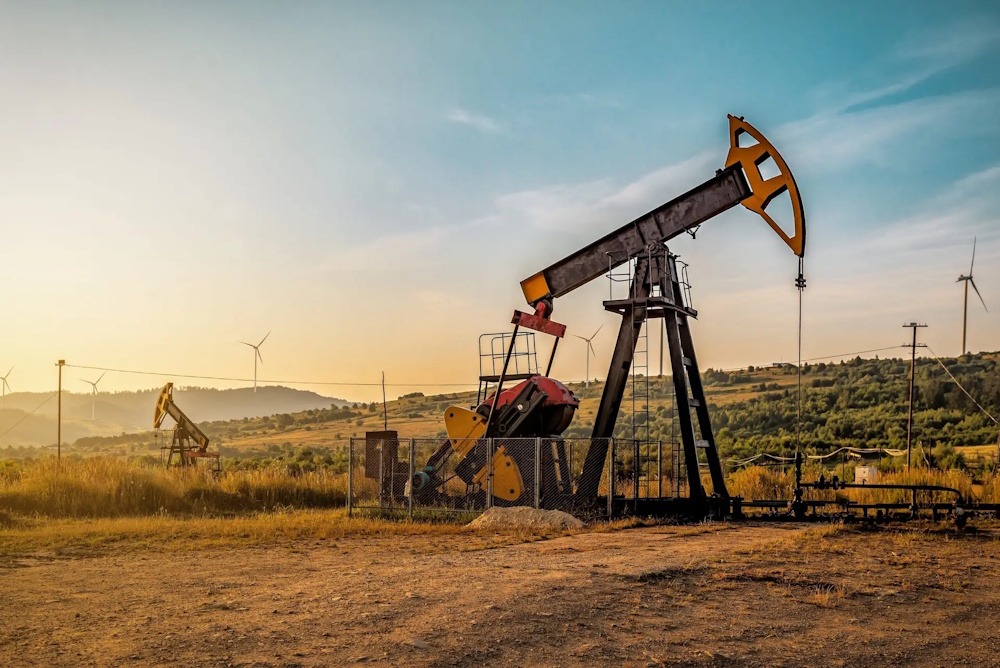
YPF SA is allocating resources to maintain investment in the rapidly expanding Vaca Muerta basin, regardless of potential declines in oil prices this year. This strategy is part of a vision led by management selected by libertarian President Javier Milei, aiming to elevate the state-run company into a prominent player in the global shale market. “We’ve prepared ourselves,” stated Chief Executive Officer Horacio Marín during an interview. “We’ve managed our portfolio very well, so that in a low oil-price environment we don’t need to reduce investment.” Our capital expenditures remain unaffected by fluctuations in the price of a barrel, whether it is valued at US$70 or US$55. YPF, Argentina’s largest oil producer, allocated US$3.5 billion to upstream investments in the year leading up to September. Marín is eager for expenditures to remain at that level to sustain momentum for the company’s shale initiative and, consequently, fulfill a commitment to deliver substantial returns for investors. A recent policy initiative from Milei aimed at stimulating crude investments is expected to yield positive outcomes as well. “This is the key year,” stated Marín, a 62-year-old oil veteran who will present YPF’s comprehensive strategy for 2026 during an earnings call on February 27. “Because it marks the concluding year of our transition – after which we can take off.”
YPF aims to exceed 200,000 barrels per day of shale oil this year, according to Marín, an increase from 170,000 in the third quarter of 2025, following two years of rigorous cost-cutting and divestments. The initiative encompassed two recent asset divestitures that generated an additional US$1 billion for the company’s financial reserves, alongside an impending agreement to divest from natural gas distributor Metrogas SA. If the strategy to enhance profitability proves effective in the coming years, YPF aims to initiate its first dividend distributions to shareholders in ten years. The shares traded in New York have appreciated by 127 percent since Milei assumed office, currently valued at approximately US$38. Marín aims for a target of US$60 by the conclusion of 2027, coinciding with the end of Milei’s term. The Vaca Muerta shale patch in Patagonia is central to Milei’s strategy for stabilizing Argentina’s crisis-prone economy, as it has the potential to generate substantial energy trade surpluses, including the largest on record from the previous year. The government has thus extended its prominent investor incentives program as of Thursday to encompass shale oil drilling. Historically, the oil component of the programme, referred to by its Spanish acronym RIGI, encompassed only upstream aspects such as separation plants, pipelines, and offshore exploration activities. Expanding it to shale oil wells — the minimum investment in a single project is US$600 million — will spur more production to “accelerate use of pipeline and export infrastructure and, at the same time, enhance competitiveness,” the government stated in a decree. “It will be great for the industry,” Marin remarked from his corner suite with a view of the River Plate estuary.
RIGI’s tax, currency, and customs advantages significantly enhance the financial viability of energy and mining initiatives, potentially attracting US independents seeking to leverage their shale expertise internationally as the availability of Tier 1 acreage diminishes in the Permian Basin. Continental Resources Inc, under the ownership of shale billionaire Harold Hamm, has recently emerged as the first among independent companies to invest in the Vaca Muerta region. Marín stated that he has engaged in informal discussions – not aimed at finalizing a deal – with Continental and also with Devon Energy Corp, which earlier this month took steps to position itself among the largest shale companies globally by agreeing to acquire Coterra Energy Inc. “Argentina is a logical destination for those companies to continue growing,” Marín stated. “The geologists express a favorable view of Vaca Muerta – this has been a topic of informal discussion.” RIGI could serve as a strategic asset amid the prospects of a resurgence in Venezuela’s extensive oil sector, where Marín has accumulated significant experience over the years. As Venezuela produces heavy and sour crude, in contrast to Argentina’s light and sweet shale, the YPF chief emphasized the importance of minimizing costs in light of increased production from outside the region. “We cannot afford to incur spurious costs, as that is precisely what can eliminate us from the competitive landscape,” Marín stated.
In addition to shale oil, Marin is managing Argentina’s flagship liquefied gas export initiative, a collaboration with Italy’s Eni SpA and Abu Dhabi National Oil Co.’s XRG that aims to export a minimum of 12 million tons annually of LNG, along with a significant volume of associated natural gas liquids. With XRG now confirmed as a partner – it made the commitment binding last week – the pursuit of at least US$14 billion in financing is intensifying. By any measure, that would represent the largest project finance transaction in the history of Argentina. Marin likened the process of assembling the necessary funds, a portion of which may be sourced from export credit agencies, to the intricate task of piecing together a jigsaw puzzle. “We must assess how we will integrate it,” he stated. “Several banks are providing initial tickets that come at a high cost.”