
Chinese tourists arriving in Argentina on China Eastern’s new Shanghai–Buenos Aires route can expect greetings in Mandarin, special menu options in airport restaurants, and a steady supply of cups of hot water as part of their welcome. The inaugural flight that landed on Thursday represents a significant advancement in intercontinental connectivity. In addition to reestablishing a connection to Asia that has been absent for over ten years, this service now holds the title of the longest commercial flight globally, spanning approximately 20,000 kilometers and taking around 26 hours, including a technical stop in Auckland, New Zealand. The route functions as a direct service, incorporating an intermediate stop in Auckland. Flight MU745 departs from Shanghai Pudong at 2 a.m. local time, arrives in Auckland in the afternoon, and after a two-hour layover, proceeds to Buenos Aires, landing the same afternoon due to an 11-hour time difference. MU745 is scheduled to operate on Mondays and Thursdays, departing from Shanghai at 2 a.m. and arriving at Ezeiza International Airport at 4:30 p.m. on the same day. The return flight, MU746, is scheduled to depart from Buenos Aires on Tuesdays and Fridays at 2 a.m., arriving in Shanghai 29 hours later, which accounts for the stop in Auckland. China Eastern will operate Boeing 777-300ER aircraft equipped with six First Class suites, 52 Business seats, and 258 Economy seats.
In 2012, Argentina severed its direct link to Asia as Malaysia Airlines discontinued its Buenos Aires–Kuala Lumpur route, which included a stop in Cape Town, South Africa, citing commercial considerations. The recent connection is fostering significant optimism, as Argentine tourism authorities aim to draw an increased number of Chinese travelers, promoting extended visits. The latest offerings feature itineraries that integrate Buenos Aires with Patagonia, locations within the Andes mountains, the Iguazu Falls, and even Antarctica. From a commercial perspective, this situation presents an opportunity for businesses to enhance their logistics for imports and exports, particularly in the context of a continuing liberalization of trade, as evidenced by the growth of Chinese e-commerce platforms like Shein and Temu. Indeed, while not solely a cargo aircraft, the B777-300AR distinguishes itself with its substantial cargo hold capacity. Hotels, tourism agencies, and local tour providers are positioning themselves to accommodate Chinese travelers by tailoring their offerings to align with cultural preferences, language requirements, and consumer behaviors.
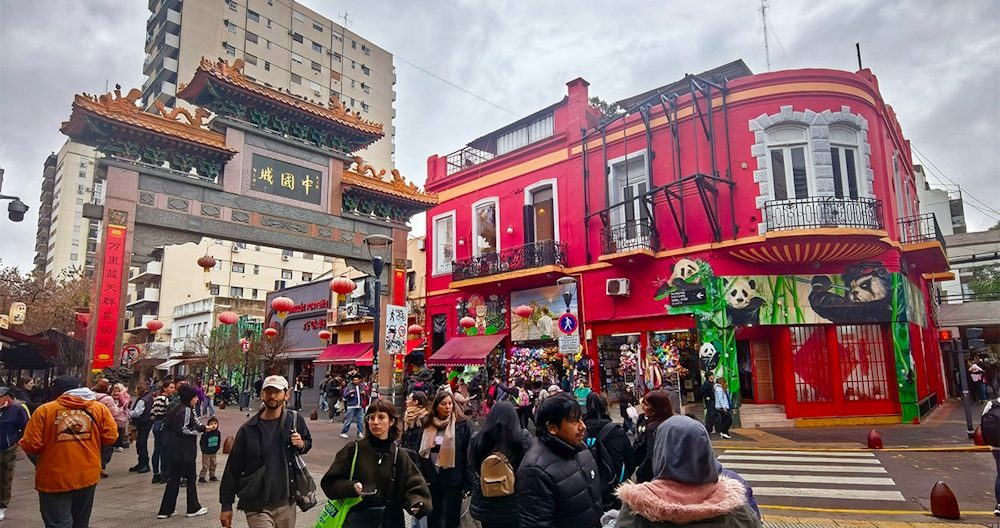
Market-focused agencies provide Mandarin-speaking guides and itineraries featuring Buenos Aires’ Chinatown and the Japanese Garden, catering to those interested in an urban experience enriched by Asian influences. Some packages integrate the capital city experience with winery tours in Cuyo or excursions to glaciers and natural landscapes in Patagonia. Firms with extensive experience catering to Asian tour groups are revising their offerings to incorporate Chinese-language menus, translated resources, and tailored support services. In Mendoza, the “Bienvenido” (“Welcome”) program, initiated in April by the city government in collaboration with the Argentine-Chinese Chamber of Commerce, seeks to facilitate business adaptation to Chinese customs through menu translations and services accessible via QR codes. The integration of Chinese payment platforms represents a significant shift in the current landscape. Digital wallet systems like Alipay and WeChat Pay, which have become prevalent in major tourist destinations globally, are progressively making their way into Argentina. This development is driven by the expansion of options for travelers who seek alternatives to conventional credit and debit cards.
Restaurants in Buenos Aires are adapting to the culinary preferences of Chinese visitors by providing milder dishes, familiar ingredients, tea stations, and meal times that correspond with the itineraries of Mandarin-speaking guides. Local tourism offices have developed informational materials in Chinese, encompassing guidance on customs and social norms to facilitate a welcoming experience. The inaugural flight of China Eastern necessitated meticulous coordination at Ezeiza airport. While authorities concluded that the installation of Chinese-language signs was unwarranted — as most Chinese travelers are proficient in English — airport operators implemented further measures. Ground staff received training in basic Mandarin to facilitate passenger disembarkation, assist with immigration processes, and extend a warm welcome. Several restaurants have implemented special menus, and all are ready to provide hot water upon request — a tradition firmly established among Chinese travelers.