
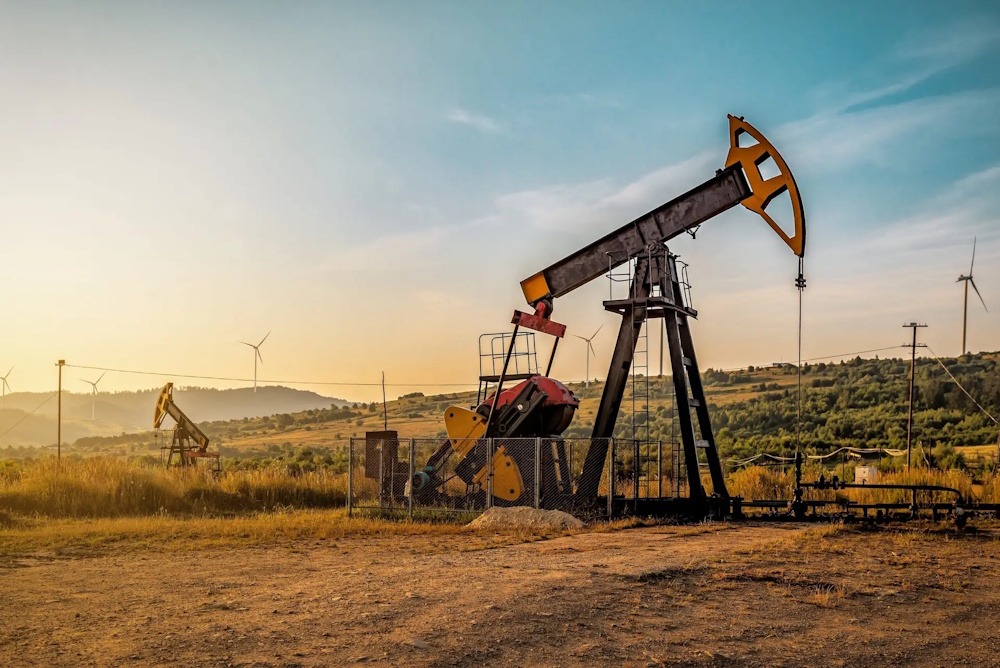
In 2025, Argentina’s energy sector experienced significant prosperity, largely attributed to its most prominent asset: the expansive shale oil and gas field known as Vaca Muerta, located in northern Patagonia. Oil production achieved two significant milestones this year. The initial achievement was attaining the peak volume of barrels produced daily. In October, the nation achieved a historic milestone, averaging production of 859,500 barrels of oil per day, as reported by the Energy Department. Prior to that point, the highest figure recorded was an average of 847,000 barrels per day in May 1998. Despite a slight decline in November, the country successfully surpassed the 1998 record, achieving an average of 864,000 barrels per day, as reported. Energy experts anticipate that production will persist in its upward trajectory, achieving a milestone of one million barrels per day by 2027.
This significant production has resulted in the second record being set this year: the largest nominal positive energy trade balance ever recorded. In the initial eleven months of 2025, the energy trade balance recorded a surplus of US$6.9 billion, as reported by the Energy Department. This figure is nominally higher than the previous record set in 2006, when the energy surplus amounted to US$ 6.1 billion. There exists, nonetheless, a caveat. The inflation-adjusted figures from 2006 indicate that the surplus was approximately US$10 billion, which suggests it marginally exceeds the present amount. Nonetheless, the surplus for this year remains noteworthy: excluding December, it stands at US$1.2 billion above the overall energy balance for 2024, a year in which the nation achieved its second energy surplus in 14 years, amounting to US$5.7 billion.
Argentina’s energy surplus stands as a cornerstone of President Javier Milei’s economic strategy, which seeks to uphold a “zero deficit” — that is, ensuring revenues exceed expenditures. Estimates from the National Institute of Statistics and Censuses indicate that energy accounts for 74% of Argentina’s total trade surplus, which stands at US$9.4 billion. This represents a significant reversal, as recently the energy sector was chiefly accountable for the nation’s deficit, which drained the Central Bank’s reserves and instigated inflation. In 2022, the year preceding Milei’s assumption of office, the energy deficit amounted to US$4.4 billion (equivalent to US$4.9 billion in current dollars).
Currently, leading firms in the Argentine hydrocarbon sector project that by 2031, the energy sector could generate a surplus of approximately US$30 billion. This implies that, should this goal be achieved, agriculture may cease to be the primary engine of Argentina’s economy.