
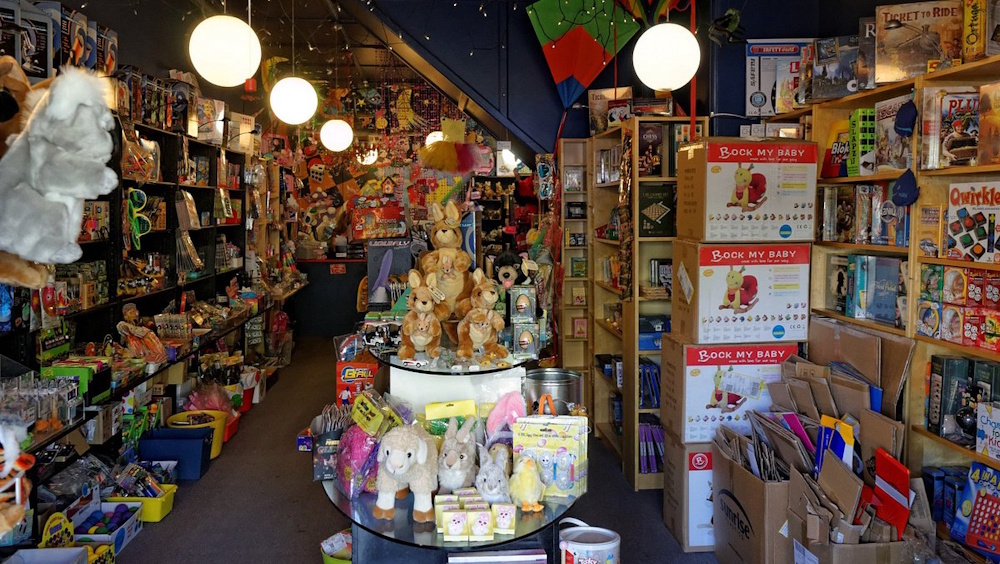
During the Christmas holidays, toy sales in Argentina decreased by 6.9% compared to the 2024 season, indicating a trend of more cautious consumer behavior and constrained household finances, according to the Argentine Toy Industry Chamber. “The result was better than anticipated, particularly in contrast to November, which had exhibited a significant and unforeseen decline,” stated Matías Furió. “An uptick in sales velocity was observed in the days preceding Christmas Eve; however, this was insufficient to counterbalance the decrease experienced on Children’s Day or the subsequent declines in the following months.” The most favored toys in Argentina comprised early childhood toys such as educational items, stackable toys, building blocks, and sensory products, along with outdoor and summer toys including water guns, beach and pool games, balls, tricycles, and ride-on toys.
Additional popular categories included tabletop games, innovative playthings and artistic endeavors, dolls, and interactive plush toys and basic technology, including electronic pets and toys that incorporate sound and movement. Premium products including LEGO, Playmobil, Barbie, and Cry Babies maintained their presence in the market, though characterized by low turnover, alongside licenses associated with films and prominent international brands. The survey indicates that 95% of transactions utilized electronic payment methods, including credit cards and digital wallets. Sales in traditional brick-and-mortar retail experienced a decline of nearly 10%, while online sales, representing approximately 25% of the market, exhibited stability, influenced by the growth of international platforms like Temu and Amazon.
At neighborhood toy stores, purchases averaged AR$19,000 per toy, while prices were approximately AR$10,000 at supermarkets and AR$45,000 at specialized chains. This indicates that consumers in Argentina are predominantly purchasing gifts that fall within the low to mid-price range. Toys manufactured in Argentina demonstrated robust performance, bolstered by stable pricing and a price–quality ratio that corresponds with prevailing purchasing power, according to the reports. Conversely, imported products exhibited subpar performance, characterized by distorted pricing and oversupply, leading to confusion and mistrust among consumers.
The Undersecretariat for Consumer Protection and Fair Trade has levied fines exceeding AR$100 million on importers for the sale of toys that do not adhere to existing regulations. “The most effective way to protect our boys and girls is to choose safe toys, purchased at formal retail outlets and bearing the Conformity Mark,” Furió stated. In Argentina, January 6 marks Three Kings Day, a celebration during which children are bestowed gifts from the Three Kings. The sector is relying on the date to mitigate the downturn.