
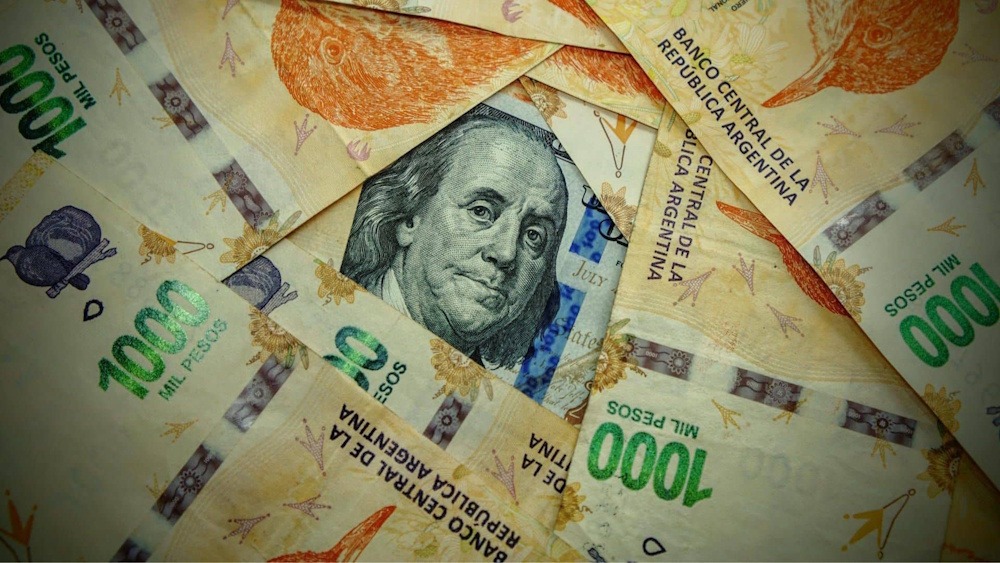
For over ten years, investors have consistently witnessed the Argentine peso follow a singular trend – a decline. Currently, amidst the turmoil of the war in Iran affecting global markets, it is experiencing growth. The peso emerged as one of only two developing currencies to appreciate against the dollar in March, coinciding with the MSCI total return index for emerging FX experiencing its most significant monthly decline since 2022. This shift occurred as traders reevaluated the likelihood of interest-rate reductions and the impact of rising energy costs stemming from the onset of the conflict. The peso has experienced a significant reversal, having been the least performing currency among 22 counterparts in 10 of the last 11 years. The increases are attributed to a seasonal uptick in agricultural exports, heightened energy shipments from the Vaca Muerta shale basin, and a surge in dollar borrowing by domestic firms. This week, at least two entities accessed international markets despite increased volatility. Notably, oil and gas company Vista successfully issued a US$500 million 12-year international bond on Wednesday. According to Joseph Incalcaterra, the combination of factors has prompted some investors to label the peso as a “safe haven.” “Half-joking, half-serious,” he remarked. “A significant influx of export dollars is currently entering the market,” Incalcaterra stated. “The structural growth in oil and gas exports aligns with elevated prices and coincides with Argentina’s harvest season.”
Argentina recorded a trade surplus in the initial two months of the year that exceeded six times the amount from the corresponding period last year, approaching nearly US$3 billion. The enhancement has been propelled by food exports and a significant decline in imports as the economy remains stagnant, while the surging production from the Vaca Muerta shale basin – one of the globe’s largest unconventional oil and gas reserves, covering approximately 30,000 square kilometres in Patagonia, roughly the size of Belgium – lessens the necessity for energy imports. The second quarter signifies the height of the harvest season, a period when dollar inflows generally intensify. At current prices, gains across key commodities – from soy and corn to oil and mining – could yield approximately US$10 billion in extra export revenue this year, based on estimates from Banco Galicia. Furthermore, the currency is still under stringent capital controls, which restricts foreign investors from easily repatriating capital or allows multinational companies to transfer their accumulated earnings from prior years. This positions it to be influenced by hard-currency flows, as opposed to the speculative activities that frequently characterize trading in other parts of the emerging markets.
“The current strength and stability of the peso, while occasionally influenced by government intervention, has more to do with trade flows, which have improved structurally in a big way thanks to Argentina’s energy production,” stated Todd Martinez. President Javier Milei has maintained control over the peso, opting not to allow it to free float or devalue as investors suggested last year. Additionally, Argentina’s regained access to global financial markets is contributing to the peso’s strength. Argentine companies have consistently accessed international markets over the past few months, even amidst the ongoing conflict in the Middle East, primarily to secure funding for energy investments. According to Central Bank data, inflows related to debt have emerged as a significant contributor to the supply of dollars in the local foreign-exchange market. The inflows have enabled the bank to enhance its reserves, acquiring approximately US$4 billion since the beginning of the year. Economy Minister Luis Caputo has said the peso would be about 20 percent stronger were it not for those purchases.
The outperformance has not been observed across all asset classes. Sovereign spreads on Argentine debt have expanded by nearly 60 basis points since the onset of the conflict, with notes maturing in 2035 declining by almost three cents on the dollar during this timeframe. During the period, spreads on emerging-market sovereign bonds increased by almost fifty percent. Investors are expressing concerns regarding ongoing inflation, which is intensifying apprehensions about the peso. This year, the Central Bank has initiated a policy allowing the peso to trade within a wider range that adjusts in accordance with monthly inflation rates. In February, consumer prices experienced an increase of 2.9 percent, marginally surpassing the 2.8 percent median estimate. “This is not an attractive exchange rate, and it’s partly explained by weak economic activity,” stated Martín Polo. “The four legs of the table are misaligned: inflation is rising, interest rates are falling, bonds are declining, yet the peso is appreciating.” It lacks coherence.