
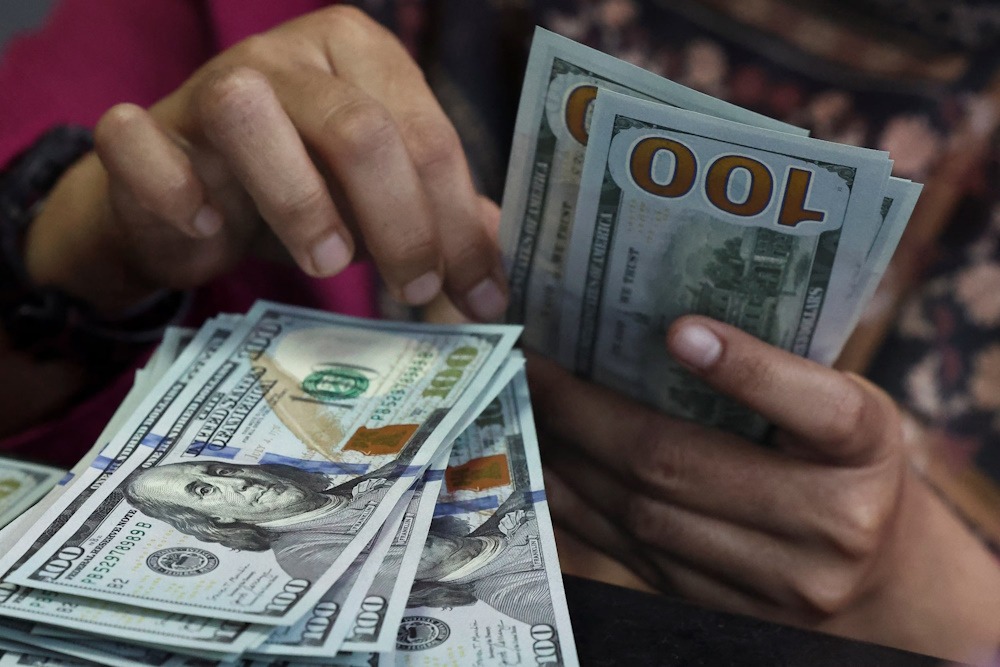
President Javier Milei aims to dismantle one of Argentina’s most significant financial taboos: providing dollar loans to individuals and businesses that do not generate income in dollars. Since the 2001 debt crisis, local banks have been effectively prohibited from extending dollar loans to borrowers who do not earn income in US currency. A shortage of dollars was, indeed, the catalyst that intensified the meltdown at that time, leading to the subsequent economic collapse. Now Milei’s administration is wagering that the previously volatile situation can be transformed into a catalyst for economic expansion. During a interview on Monday, Economy Minister Luis Caputo proposed the necessity for increased dollar-based loans to stimulate an expansion that has remained sluggish for the majority of Milei’s two-year tenure in office. The government plans to repeal the law in Congress before the end of the year and amend Central Bank regulations, according to a source. The proposal is clear: Provide banks with a lucrative opportunity for the surplus dollars languishing in their branches by channeling these funds to prominent borrowers – both individuals and firms with robust credit standings, such as real-estate developers – who can leverage the capital for investment in the nation.
“Banks will have inexpensive funding”. According to Caputo, “they will offer individuals a return of approximately four percent, which will enable them to fund real estate developments and mortgages. All of that reactivates the economy.” The risks remain present, however. The peso has experienced significant depreciation over the years, resulting in a decline of 99 percent against the dollar in the past decade alone. Should it experience another decline under Milei, as some economists are concerned, it would result in substantial financial obligations for Argentines regarding their new dollar debts. Individual borrowers may lack the sophistication required to fully grasp the associated risks when securing their dollar loans, remarked Daniel Marx. Corporate managers are “generally better equipped to handle this kind of dollar credit than the average household,” he stated. The use of dollar credit has historically been a contentious issue in Argentina, as the government has effectively restricted it through a decree enacted in 2002 and regulations set by the Central Bank. The post-crisis framework permitted foreign-currency deposits solely for the purpose of financing foreign-trade operations and associated activities.
If Milei can mobilize even a portion of the country’s dollar savings, it could theoretically enhance investment and broaden a financial system that is insufficient for the economy it supports. Caputo has made multiple attempts to encourage Argentines to utilize their own dollars – initially through a tax amnesty, subsequently by permitting a greater number of transactions in dollars, and most recently with a “fiscal innocence” plan designed to reduce the scrutiny of funds that are not suspected of criminal activity. His broader argument posits that Argentines are currently holding a substantial amount of cash outside the formal financial system, with the Central Bank estimating this hoard to be approximately US$170 billion.
The government’s initiative on “fiscal innocence” aims, in part, to expedite the repatriation of a portion of those funds to financial institutions. The Central Bank is anticipated to implement prudential safeguards concerning borrower qualification, collateral, and the proportion of deposits eligible for lending, according to an informed source. The specifics of the plan remain limited. One probable allocation for a significant portion of new dollar credit lines, however, is mortgages – a type of financing that Argentines have only experienced during fleeting periods of economic stability, according to the same individual.