
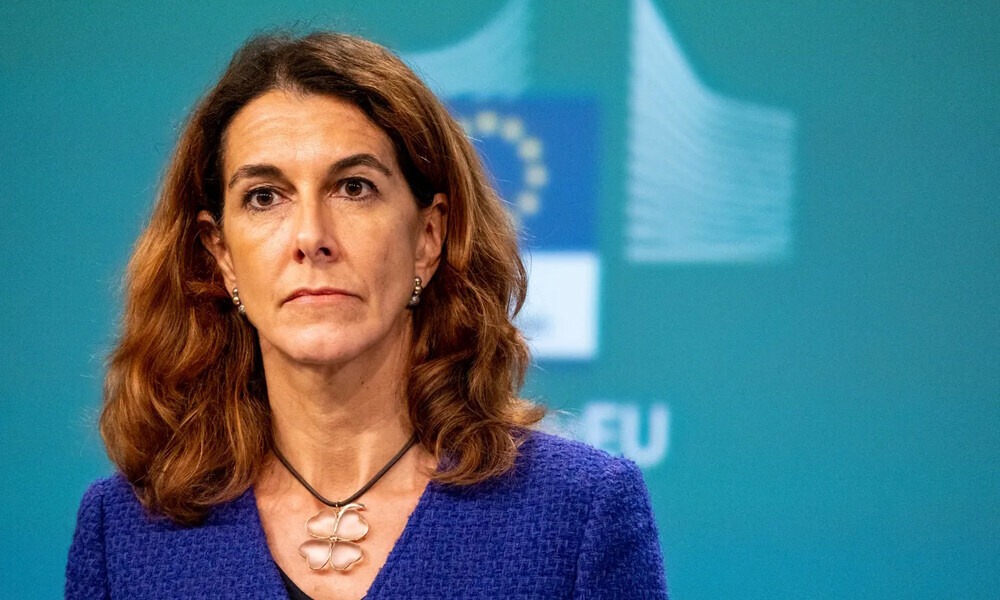
The European Union on Monday expressed optimism about finalizing a long-stalled trade agreement with the South American bloc Mercosur “soon,” indicating advancements toward endorsement by the member states of the bloc. Diplomats have indicated that the EU is targeting a signature on January 12, following the disappointment of December’s anticipated agreement, which was thwarted by France and Italy’s united call for a postponement. Paula Pinho , refrained from confirming the new date in January but emphasized that the EU was progressing on the “right track” towards approval. “There have been discussions, work, and progress over the past two weeks,” she stated at a press conference in Brussels.
In an effort to finalize the agreement, EU agriculture ministers are set to convene on Wednesday for an extraordinary meeting in Brussels. European diplomats indicated that this could serve as a precursor to a vote on Friday by member states, thereby facilitating an official signing. After over 25 years of negotiations, the agreement aims to establish the largest free-trade area globally, enhancing trade relations between the 27-member EU and the South American bloc of Brazil, Paraguay, Argentina, and Uruguay. However, efforts to finalize the agreement at a Mercosur meeting in Brazil on December 20 encountered a significant obstacle, as major players Italy and France called for a delay due to apprehensions regarding the agricultural sector.
Germany and Spain express robust support for the agreement, anticipating it will deliver a significant uplift to their industries, which are currently constrained by competition from China and tariffs imposed by the United States. The agreement is poised to enhance the EU’s capacity to export vehicles, machinery, wines, and spirits to Latin America amidst prevailing global trade tensions. In exchange, it would enable the influx of South American meat, sugar, rice, honey, and soybeans into Europe. This situation has raised concerns among numerous European farmers who worry about being undercut by an influx of less expensive products from the agricultural powerhouse Brazil and its neighboring countries.
Rome and Paris have advocated for enhanced safeguard clauses, stricter import regulations, and more rigorous standards for Mercosur producers to safeguard their agricultural sectors. The French government also announced on Sunday plans to suspend imports of foodstuffs containing substances that are banned in Europe. According to French Prime Minister Sebastien Lecornu, this would encompass avocados, mangoes, guavas, citrus fruits, grapes, apples, melons, cherries, strawberries, and potatoes sourced “from South America or elsewhere.” The plans will, however, require approval from Brussels. The EU executive is “already working on establishing that the most hazardous pesticides, which are banned in the EU for health and environmental reasons, are not allowed back to the EU through imported products,” Eva Hrncirova stated on Monday.