
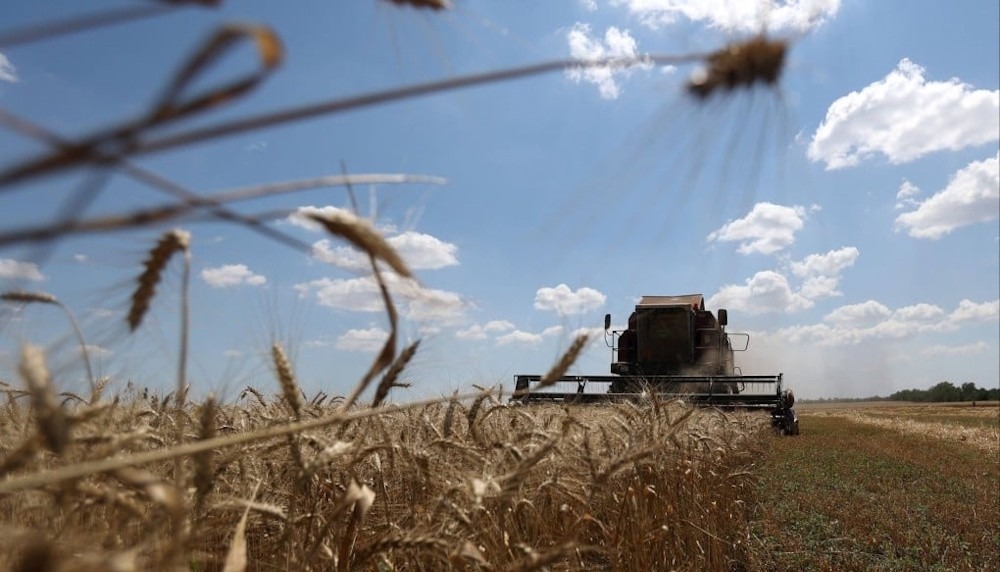
Argentina’s economic activity experienced a growth of 1.9% year-on-year in January and a 0.4% increase relative to December 2025, as reported. The agriculture, livestock, hunting, and forestry sector exhibited a remarkable 25.1% growth, contributing significantly to the year-over-year change in the index. This was closely followed by the mining and quarrying sector, which experienced a 9.6% increase. The sector exhibiting the most significant year-on-year growth was fishing, with an increase of 50.8%.
The three sectors that experienced the most significant declines were wholesale, retail trade, and repairs, which fell by 3.2%; electricity, gas, and water, down by 3%; and the manufacturing industry, which decreased by 2.6%. On Thursday, the day the INDEC published the report, Economy Minister Luis Caputo stated in an X post that the index “reached a new all-time high, both in the seasonally adjusted series and in the trend-cycle indicator.” President Javier Milei shared Caputo’s post, with the caption “THE ECONOMY CONTINUES TO GROW” on his X account, followed by “TMAP,” initials of “todo marcha según lo planeado.”
Hernán Lechter stated that “the sectors driving growth account for only 9.2% of registered private-sector employment.” He posted on X “The sectors with the poorest performance represent 44.7% of the total registered private-sector employment.” Lechter determined that should the economic activity levels observed in January 2026 persist for the entirety of the year, the economy would experience a growth rate of 2.4%. “This figure is lower than the forecast in the Central Bank’s market expectations survey (+3.4%),” he concluded.