
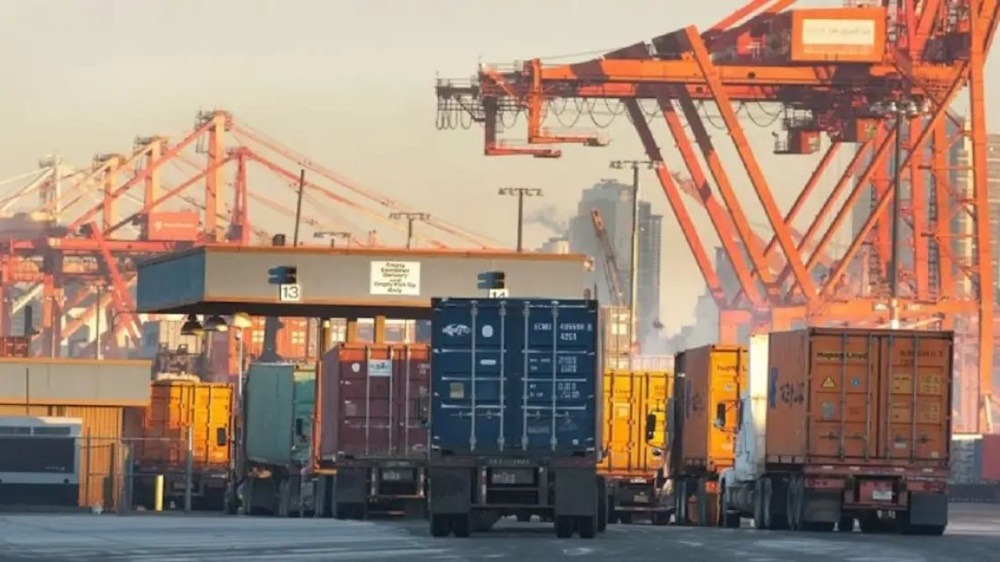
Argentina’s meat production chain expressed satisfaction upon learning that the recently signed Reciprocal Trade and Investment Agreement with the United States has established a tariff-free export quota of 100,000 tonnes. This figure contrasts with earlier indications from President Javier Milei, which had suggested a limit of only 80,000 tonnes. The Foreign Ministry in Buenos Aires emphasized the significance of the agreement with the US for the agricultural sector in terms of tariff reduction. “The US government will grant an unprecedented expansion to 100,000 tonnes for the preferential access of beef into its market.” The government stated, “This ensures an additional 80,000 tonnes in 2026, besides the 20,000 tonnes already given to this country, which will help increase Argentine exports of this product by nearly US$ 800 million.” Irrespective of the inflow of capital, participants in the domestic cattle industry interpret this announcement as a positive indicator. The United States represents a market characterized by a stringent demand for beef that meets high standards of health, traceability, and specific cuts. This necessity compels more organized processes and elevates quality benchmarks across the supply chain.
One of the initial consequences from the farming and agro-industrial sector was articulated by the president of Argentine Rural Confederations, Carlos Castagnani: “Trade openness has always been a request from the agricultural sector, because it’s the tool that helps us increase exports, generate more activity and seize the huge productive potential in this country.” He stated “To integrate ourselves into international trade with clear rules is key to development.” He emphasized that “moving forward in the meat trade is especially important for Argentina,” because “we produce the best beef in the world and we have an internationally renowned production system.” In the United States, the cattle stock remains unresponsive, while meat production is declining despite an increase in demand. The stock of cattle stands at 86 million heads, marking the lowest level observed in 75 years. Although production has declined by 10 percent over the past five years, imports have surged by 67 percent, increasing from 1.5 to 2.5 million tonnes between 2021 and the current year projections by the United States Department of Agriculture. Meanwhile, in China, a recent quota for beef has led to a 20 percent increase in international prices. The total reached 2.7 million tonnes, compared to 3.3 million tonnes imported from China the previous year. In the absence of an expanded quota, this year’s beef imports may fall significantly short of market demand, leading to an increase in prices. Furthermore, Brazil, recognized as China’s primary supplier and the leading exporter globally, could have 400,000 tonnes stored at the ports of the Asian giant, within a quota of 1.1 million tonnes. This indicates that it will reach its capitalization in a few additional months, which is likely to lead to an increase in prices. The report indicates that in December, foreign sales experienced a decline of 3.7 percent year-on-year in volume, quantified in tonnes based on the weight of the product.
Since last November, the decline has been notably more pronounced, reaching 13.8 percent. This contraction corroborates the trend noted in the cumulative annual level, where the diminished shipment of beef was primarily associated with a decrease in purchases from its principal destination, China. This instrument represents a pioneering effort in the region, embedding commitments on investments that reinforce the strategic alliance and mutual trust with the United States, which currently hosts over 330 companies operating within its borders. The initiative establishes Argentina as the inaugural nation in South America to formalize an agreement of this magnitude, involving a curated group of countries granted preferential access to the US market. This move enhances Argentina’s international integration and fosters a more equitable partnership with the leading global economy and foremost importer. The US government reaffirmed its intention to reassess tariffs on steel and aluminium at the appropriate time, as mandated by Section 232 of the Trade Expansion Act. The United States is set to abolish mutual tariffs on 1,675 Argentine goods across various productive sectors, facilitating a recovery in exports amounting to US$1.01 billion.
The United States will engage with institutions such as the Export–Import Bank of the United States and the US Development Finance Corporation to facilitate the financing of investments in essential sectors of Argentina, in partnership with the private sector in the US. Argentina will eliminate tariffs on 221 items, including machinery, transport material, medical devices, and chemical products. Additionally, it will reduce tariffs on 20 other items by two percent, primarily affecting auto parts, and will establish quotas for vehicles, meat, and various agricultural products. Argentina has committed to embracing contemporary international standards in intellectual property, aiming to alleviate bureaucratic constraints within the sector and enhance opportunities for innovation and the advancement of Argentine talent. The signing of the historic agreement “consolidates a strategic relationship between both countries based on economic openness, in clear rules for international trade, and in a modern outlook of trade complementarity,” remarked the Argentine President’s Office. The objective is to lower both tariff and non-tariff barriers, enhance the trade of goods and services, update customs procedures, and encourage investment in key sectors such as energy, critical minerals, infrastructure, and technology.