
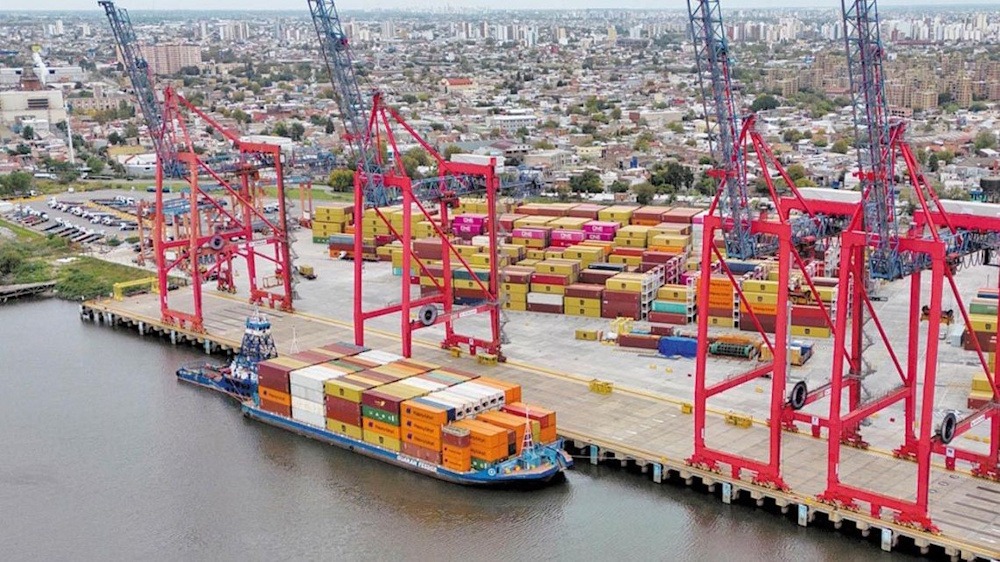
Under Javier Milei’s administration, exports of raw materials serve as the primary engine driving Argentina’s economy. While the oil and gas and mining sectors have gained considerable ground in recent years, agriculture remains a pivotal sector. Data indicates that primary products and agricultural manufactures constituted over half of Argentina’s exports, amounting to US$38 billion from January to September 2026. Against this backdrop, agricultural exports totalled US$2.8 billion last month, marking the strongest October in the past 25 years, as reported by the Chamber of the Oil Industry and the Grain Exporters Center. Despite the 10% month-on-month decline relative to September, the figure indicated a substantial 157% increase when compared year-on-year. The explanation can be attributed to the Milei administration’s temporary suspension of export taxes in September 2025, which resulted in a significant surge of foreign currency during that month, followed by a steep decline in both exports and foreign currency inflows in October.
Agricultural analyst Javier Preciado informed that this year has experienced a “normalization” of agricultural exports, as the government has refrained from implementing incentive programs to motivate exporters to sell their foreign currency earnings, in contrast to the previous year and the period of Alberto Fernández’s administration. “You don’t have those economic policy measures putting pressure on producers to sell,” he said. Preciado also noted that another factor contributing to this stabilisation was that producers have refrained from stockpiling grain, as they do not seem to anticipate a significant rise in the dollar exchange rate in the upcoming months. “Producers also don’t see a scenario in which they think, ‘Everything is going to fall apart next month and the dollar is going through the roof, so I’d better hold off on selling.’ Since neither of those things is part of the current outlook, the flow is normal,” he said.
Nevertheless, Preciado acknowledged that the elevated level of exports recorded this year is also associated with geopolitical factors. “The war in Ukraine has caused wheat and corn exports to surge at this time of year, which is unusual,” he said. He pointed out that a series of Russian attacks on “agro-industrial and logistics targets” in Ukraine disrupted grain trade in the Black Sea region, generating “strong demand for Argentine wheat.” And “There were also more exports to Indonesia than to Brazil, which is highly unusual,” he added. The increase in export volumes has effectively counterbalanced the decrease in international prices for commodities like maize and soybeans, which have reached two-month lows, as reported.
Preciado said that, while there will be a decline in January and February, this outcome is the result of the typical seasonality of these crops. “We are within a normal pattern,” he added. Despite weather-related changes associated with the El Niño phenomenon, initial projections for next year estimate that the 2026/27 harvest could reach a new production record, potentially boosting the inflow of foreign currency into an economy that badly needs it. Next year marks an election cycle, and Milei, aiming for reelection, faces the challenge of nearly US$25 billion in debt maturities, all while grappling with ongoing uncertainty regarding the government’s strategy for financing these obligations.
