Grain harvest in Argentina reaches record high of 171 million metric tonnes
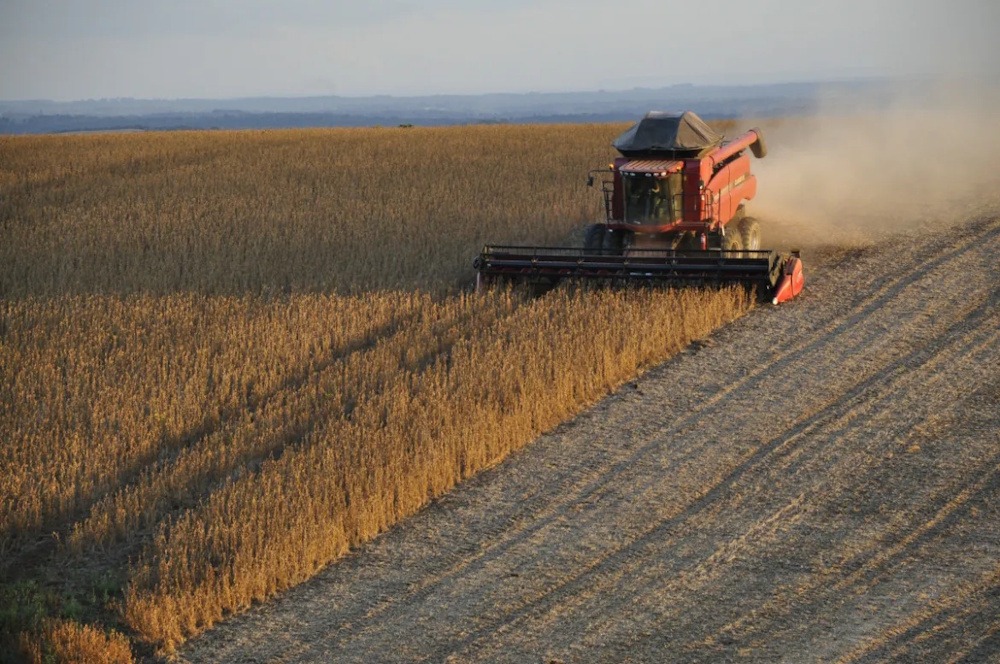
Argentina’s grain production has achieved a historic milestone of 171 million tonnes in the current 2025/2026 season, reflecting a 21% increase compared to the previous cycle, as reported by the National Agriculture Secretariat. The outcome was primarily influenced by increased corn and wheat yields, supported by favourable climatic conditions and enhanced technological applications. Official figures indicate that output across the 17 crops surveyed surpassed the 141 million tonnes recorded during the 2024/2025 season by 30 million tonnes. Planted acreage has achieved a record level of 44.6 million hectares, reflecting an increase of 900,406 hectares, or 2.1% compared to the previous year.
The anticipated rise in production is projected to exert a considerable influence on foreign currency earnings. While the Agriculture Secretariat has yet to publish official estimates for export revenues, private-sector assessments indicate that foreign sales reached approximately US$44.869 billion, reflecting a 34.5% increase from the US$33.371 billion recorded in the prior season. Corn solidified its status as Argentina’s predominant crop by volume, achieving a harvest of 72.5 million tonnes, in contrast to 51.69 million tonnes in the preceding season. This represented an additional 20.81 million tonnes and accounted for a significant portion of the increase in agricultural output. The expansion was accompanied by an increase in planted acreage, which grew by 2.3 million hectares, from 9.2 million to 11.5 million hectares. Wheat exhibited robust growth.
Production reached 27.8 million tonnes, compared with 18.51 million tonnes in the previous period, with nearly seven million hectares planted. In contrast, soybean production experienced a decline, yet it maintained its status as the second-largest crop by output. Official records indicate that the harvest amounted to 49.3 million tonnes, a decrease from the 51.51 million tonnes recorded in the prior season. The area planted with soybeans decreased from 17.9 million to 16.2 million hectares. Sunflower was yet another crop to demonstrate favourable outcomes. Production increased from 5.59 million to 7.61 million tonnes, while barley output rose from 4.82 million to 5.57 million tonnes.
Other crops, however, experienced reductions. Sorghum production decreased from 2.85 million to 2.29 million tonnes, whereas rice output declined from 1.63 million to 1.40 million tonnes. Peanuts and cotton also experienced declines. The Agriculture Secretariat attributed the increase in production to a combination of factors, emphasising favourable weather conditions, investment by producers, the adoption of technology, and enhancements in macroeconomic variables associated with government measures. The fact that production grew by 21%, compared with an increase of just 2.1% in planted acreage, reflects an improvement in agricultural yields. In this context, the agency emphasised the utilisation of precision agriculture tools, machinery, irrigation systems, digital technologies, and genetically modified organisms.